
He5000 シリーズ・プレゼンテーション
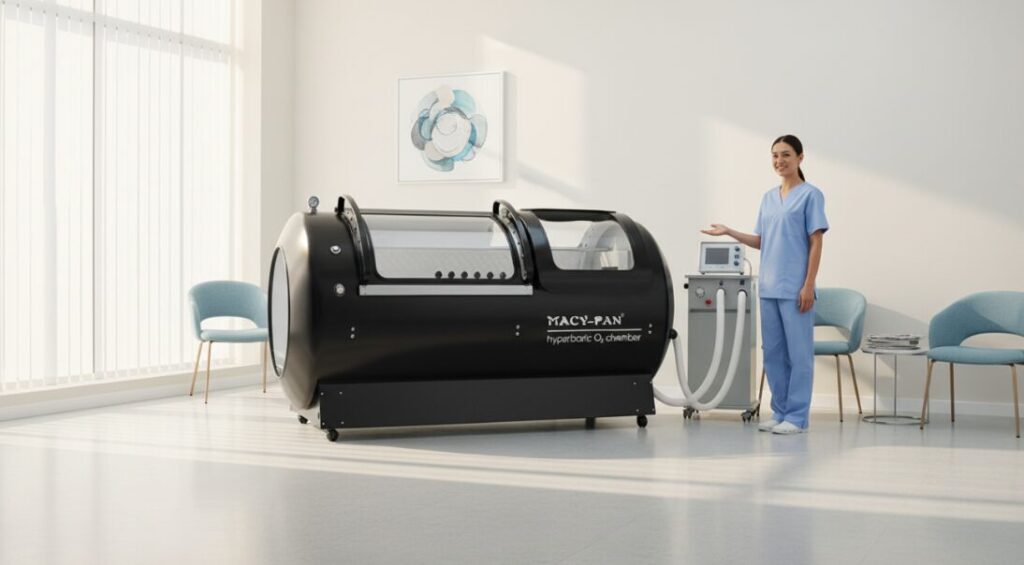
334He5000シリーズ メイシーパン:2.0インチ大画面、耐久性、プロフェッショナル向け医療・健康センター向け最高品質。
詳細を見る駅全体を検索
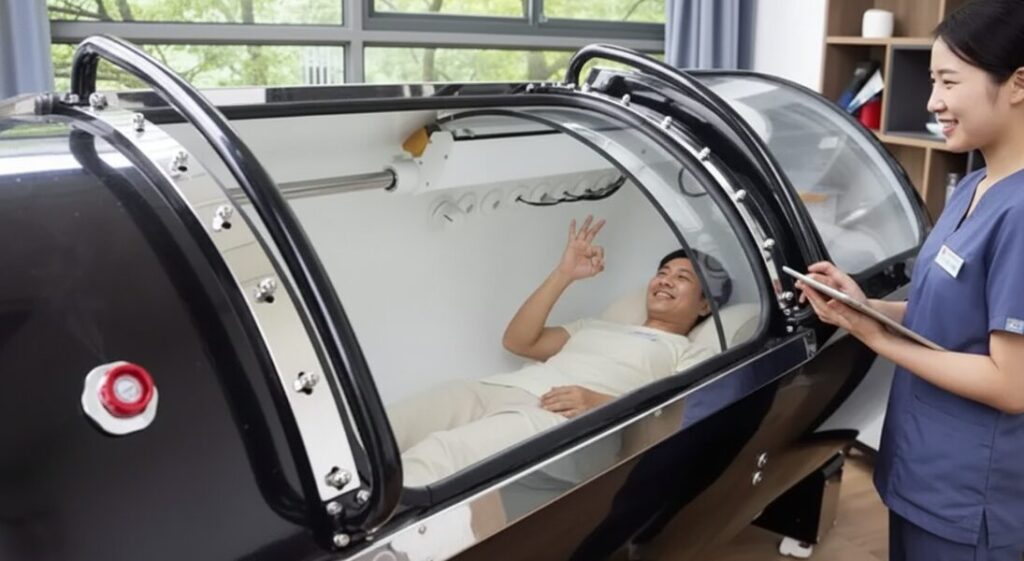
The decompression phase ——what we often call the “low blood pressure” or “extravehicular preparation”—— typically takes 5 to 15 minutes. In a clinical setting, if you are using a medical single-person hard chamber with a standard treatment pressure of 2.0 to 2.4 ATA, the standard specification requires a slow reduction in pressure of approximately 1 to 2 PSI per minute. This time isn’t a rigid, fixed number; it depends largely on the pressure of your treatment, the type of equipment, and, most importantly, your individual ear’s ability to balance the pressure. As a technician, my first priority is to make sure you don’t experience ear or sinus pain while returning to normal pressure. So, if your ears are slow to vent, I usually extend this process to 20 minutes or more, safety and comfort always come first.

When we depressurize at a standard rate of 1 to 2 PSI per minute on the operating table, we are actually controlling the rate at which the gas in the cavity inside your body expands. In a single-person oxygen chamber, if the pressure drops too quickly, the air in the middle ear and sinuses can expand rapidly. With this slow, gentle decompression, we can ensure that your return from a high-pressure environment to normal sea level pressure is smooth and insensitive, without that sudden sting.
The deeper you “dive”, the longer the way back will naturally be.
The construction of the equipment itself also affects exhaust efficiency:
When discussing “how long to decompress”, the biggest variable is actually the patient themselves. During the decompression phase, air must be expelled from the middle ear through the Eustachian tube. If you just have a stuffy nose or your ears are slow to adjust to pressure, I’ll immediately slow down the decompression. Sometimes I even hit a pause, hold that pressure level for a while, and then continue when your ears get used to it.

There are several core considerations for controlling the decompression rate:
While the technical answer is 5 to 15 minutes, in practice, your personal feelings are the only countdown timer. Whether you’re sitting in a 2.4 ATA professional cabin or lying in a 1.3 ATA home appliance, there’s only one goal: to get back to the ground safely and comfortably. Remember to talk to me more about those few minutes before leaving the cabin.
著者ロバート・ミラー
I’ve made it my mission to bridge the gap between complex medical protocols and patient comfort. My expertise lies in precision chamber operation and ensuring every patient transitions safely from high-pressure therapy back to ambient surface levels. I believe that understanding the ‘why’ behind safety procedures is the key to a stress-free recovery journey.
メーシーパンの公式高気圧チャンバーの価格に関しては、アイデアを持つ必要があります:投資スパンはかなり大きく、通常$9,000から$69,000以上の範囲です。最終的な価格は、圧力レベルとキャビンの構造によって異なります。
詳細を見るHP1501-85 1.5ATAシングル薄型高気圧酸素チャンバーは、医療グレードの効能を維持しながら、居住スペースに妥協しません。専用の部屋を必要とするかさばる業務用キャビンとは異なり、このモデルは非常にコンパクトな設置面積です...
詳細を見る理想的なハイパーバイザーMC750の選択は、カテーテルの構成と患者の流量に大きく依存します。現在、MC750シリーズは、主に3つの技術的バリエーションに分類されています:1) MC750 Estándar (Fija), ...
詳細を見る