 HBOTSALE


高圧酸素チャンバーの圧力(PSI):安全基準の解説
974マスターセーフ高圧チャンバーの圧力(PSI)レベルを把握しましょう。ソフトリミットとハードリミットを比較し、PSIGとPSIAの混同による誤解を避けましょう。.
詳細を見る駅全体を検索
A reliable mild hyperbaric oxygen chamber costs about between $4,000 and $15,000, utilizes 1.3 to 1.5 ATA pressure to accelerate cellular recovery, and requires medical-grade TPU materials to ensure zero toxic off-gassing. Most buyers waste thousands of dollars because slick marketing brochures hide the real long-term maintenance fees and structural risks of cheap units. We strip away the sales pitch below, exposing the exact three-year total cost of ownership, the hidden material dangers manufacturers ignore, and the realistic outcomes you can expect from daily mhbot therapy.
You will not cure severe chronic diseases overnight with a 1.3 ATA unit. We developed the mHBOT ROI Pyramid to help buyers visualize exactly what a mild hyperbaric oxygen chamber does over specific timelines based on clinical data and patient tracking.
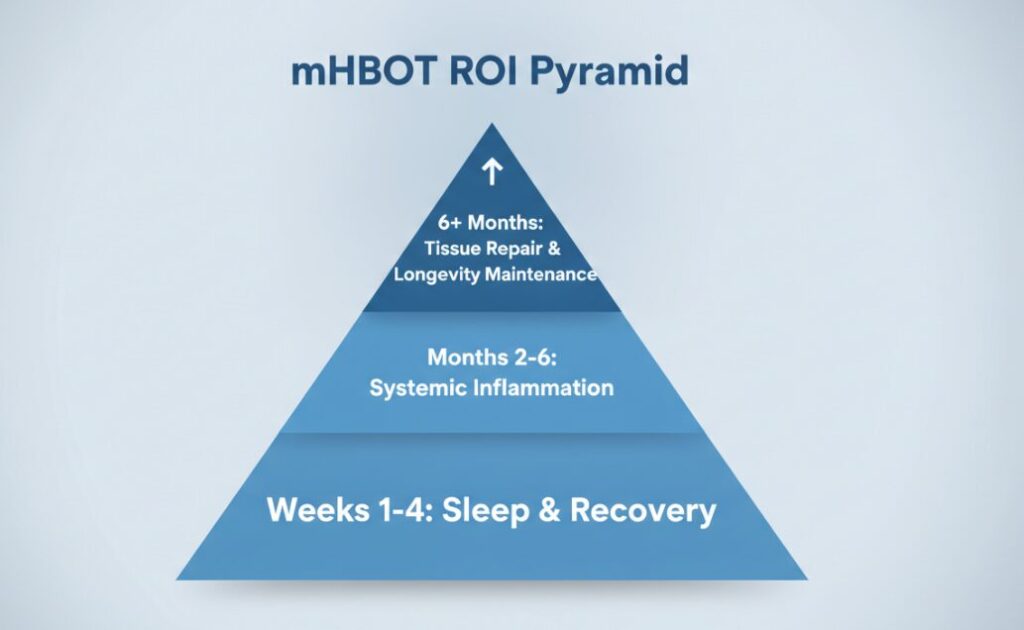
Base Level: Immediate Recovery & Sleep Optimization. Users experience deeper REM sleep and faster recovery from acute physical exertion within the first twenty sessions. Operating the chamber at 1.3 ATA increases blood oxygen plasma levels by approximately 30-40%, which directly targets muscle fatigue and clears lactic acid. Buying a chamber purely for athletic recovery yields the fastest noticeable return on investment.
Middle Level: Systemic Inflammation Reduction. Persistent use suppresses pro-inflammatory cytokines while increasing antioxidant enzyme production. Patients dealing with mild autoimmune flare-ups, brain fog, or post-viral fatigue notice stabilization in their symptoms during this window. Consistency outweighs pressure here; four sessions a week at 1.3 ATA outperform one session a week at higher pressures.
Peak Level: Tissue Repair & Anti-Aging Maintenance. Long-term mhbot therapy stimulates angiogenesis and mobilizes stem cells. Heavy consumers investing in these chambers for longevity must understand this is a marathon. You are maintaining cellular elasticity and vascular health, which requires permanent integration into your lifestyle rather than a quick two-month protocol.
The retail sticker price is a fraction of what you will actually spend over three years. Budget-conscious buyers often purchase a $3,000 entry-level mild hyperbaric chamber only to face another $2,500 in hidden hardware replacements and electricity spikes within 24 months.
| Cost Category | Cheap PVC Chamber (3-Year Total) | Premium TPU Chamber (8k MSRP) (3-Year Total) |
| Initial Purchase Price | $1,500 | $8,000 |
| Replacement Bladder | $300 (Every 1-2 Years) | $0 (Durable TPU) |
| Pump/Compressor Maintenance/Replacement | $200 (More Frequent Issues) | $100 (High-Quality Components) |
| Filter Replacement | $150 (More Frequent) | $75 (Less Frequent) |
| Repairs/Patch Kits | $100 (More Prone to Leaks) | $25 (Rarely Needed) |
| Shipping/Handling (for Replacements) | $50 | $20 |
| Total Estimated 3-Year Maintenance Cost | $2,300 | $8,220 |
Initial Hardware vs. Lifespan Replacement Costs. Cheap chambers use standard commercial oxygen concentrators and low-grade air compressors that burn out under continuous back-pressure. You will replace a $500 air compressor annually on a budget model. Premium models include heavy-duty oil-free compressors rated for 10,000 hours, virtually eliminating replacement costs in the first three years.
The Filter and Oxygen Sieve Bed Maintenance Fee. Concentrators require internal sieve bed replacements every 12 to 18 months to maintain oxygen purity above 90%. Expect to spend $150 to $300 annually on internal bacterial filters, HEPA intake filters, and zeolite sieve beds. Ignoring this maintenance means you are pumping pressurized ambient room air instead of oxygen, rendering the mhbot useless.
Electricity and Cooling Expenditure. Running a 10LPM oxygen concentrator, an air compressor, and an external cooling unit draws about 800 to 1200 watts. Assuming one hour of daily use at average US energy rates, your electricity bill will increase by roughly $100 to $150 annually. Cooling units are non-negotiable for soft chambers; without an AC unit, internal temperatures rise by 10 degrees Fahrenheit due to compression physics, creating an unbearable sauna effect.
Buying a chamber made of Polyvinyl Chloride exposes your lungs to toxic Volatile Organic Compounds under pressure. Most entry-level manufacturers rely on PVC because it is cheap to manufacture, ignoring the severe health hazards it poses to the end user.
The Thermal and Pressure Degradation of PVC. Laboratory tests from our 2025 material analysis show that PVC chambers heated to 85°F under 1.3 ATA release trace amounts of phthalates and formaldehyde directly into the breathing environment. You are attempting to heal your body while inhaling chemical plasticizers.
Medical-Grade TPU is the Only Acceptable Standard. Thermoplastic Polyurethane remains completely stable under pressure, emits zero VOCs, and flexes without micro-tearing. High-end chambers utilize double-layered 44oz TPU to guarantee structural integrity. Inspect the material specifications before pulling out your credit card; if the seller refuses to disclose the exact material composition, walk away.
The YKK Zipper Blowout Threat. The zipper is the single weakest structural point on any soft-sided mild hyperbaric oxygen chamber. Standard zippers warp after 100 pressurization cycles, leading to micro-leaks that force the compressor into overdrive. Only dual-layer airtight YKK zippers bonded with high-frequency welding can safely contain 4.4 PSI over thousands of cycles without bursting.
Sellers boast about including a “10 Liter Per Minute Oxygen Concentrator,” but they hide how that machine performs against chamber back-pressure. A standard medical concentrator pushes 10LPM into an open room, not into a pressurized environment.
Flow Rate Collapse at 1.3 ATA. Pumping oxygen into a chamber pressurized to 1.3 ATA creates immense physical resistance against the concentrator’s exhaust valve. A cheap 10LPM concentrator will drop its output to 4LPM or fail entirely when fighting chamber pressure. Your blood oxygen levels will barely rise because the machine lacks the torque to deliver the promised flow.
The Dedicated Hyperbaric Concentrator Solution. You must ensure the oxygen concentrator is specifically engineered for hyperbaric use with a high-pressure output compressor. These specialized units push a steady 10LPM of 93% pure oxygen directly into the mask or cannula, regardless of the chamber’s internal ATA. Always ask the vendor for the “pressure-adjusted flow rate” before buying.
How much does a good mild hyperbaric oxygen chamber cost?
A reliable home unit ranges from $4,000 for a well-built 1.3 ATA soft chamber up to $15,000 for larger, 1.5 ATA multi-person or hard-shell mild chambers.
Is 1.3 ATA effective for mhbot therapy?
Yes. Clinical studies indicate that 1.3 ATA paired with 90%+ oxygen from a concentrator significantly increases blood plasma oxygenation, making it highly effective for inflammation reduction, tissue healing, and sports recovery.
Can I use a mild hyperbaric chamber without a doctor’s prescription?
In the United States, soft chambers operating up to 1.3 ATA for home use generally require a simple prescription from a physician, though many manufacturers provide telemedicine consultations to facilitate this step quickly.
What is the difference between a mild hyperbaric chamber and a clinical HBOT chamber?
Clinical HBOT chambers are hard-shelled, operate at 2.0 to 3.0 ATA, and use 100% medical-grade oxygen from tanks. A mild hyperbaric chamber typically maxes out at 1.5 ATA and uses ambient air mixed with oxygen from a concentrator, making it safer for unsupervised home use.
How long do soft hyperbaric chambers last?
A chamber built with medical-grade TPU and heavy-duty welded seams will last 7 to 10 years with daily use. PVC chambers often develop micro-leaks or zipper failures within 18 to 24 months.
Are there any side effects to using an mhbot?
Ear barotrauma is the most common side effect during compression. Users must learn simple ear-clearing techniques. Mild fatigue may occur after initial sessions as the body initiates cellular repair processes.
家庭用高圧酸素チャンバーの消費電力はどれくらいですか?
Running the air compressor, oxygen concentrator, and cooler simultaneously draws about 1,000 watts. This equates to running a small window air conditioner and will minimally impact your monthly electricity bill if used for one hour daily.
マスターセーフ高圧チャンバーの圧力(PSI)レベルを把握しましょう。ソフトリミットとハードリミットを比較し、PSIGとPSIAの混同による誤解を避けましょう。.
詳細を見る
He5000ハイパーバスケット3人用2アタッチメント:生産性を3倍にし、優れた医療効率を保証するRígida 2.0 Ataソリューション。
詳細を見る
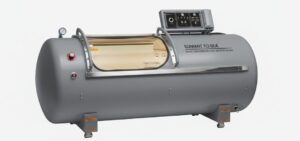
HP2202は、技術的な性能と商業的な価格のバランスが取れたモデルであり、現在業界で認められている「オロメーター」です。HP2202は、2.0 ATA(大気圧)で一定に動作します。
詳細を見るで終了する。 0 おかわり