
...

駅全体を検索

Oxygen Chamber For Dogs At Home: Hyperbaric Therapy Facts

ブログ 280

Setting up an oxygen chamber for dogs at home provides immediate relief for respiratory distress, manages tracheal collapse, and significantly improves the quality of life during palliative care. Most commercial home setups deliver normobaric oxygen, while true hyperbaric oxygen therapy for dogs requires specialized 1.3 to 1.5 ATA chambers to force oxygen deep into blood plasma.

Many dog owners accidentally harm their pets by pairing cheap, low-flow human oxygen concentrators with sealed pet chambers, causing deadly carbon dioxide buildup. Read exactly how to match the right chamber type, oxygen flow rate, and pressure to your dog’s specific medical condition safely.

Choosing The Right Home Oxygen System

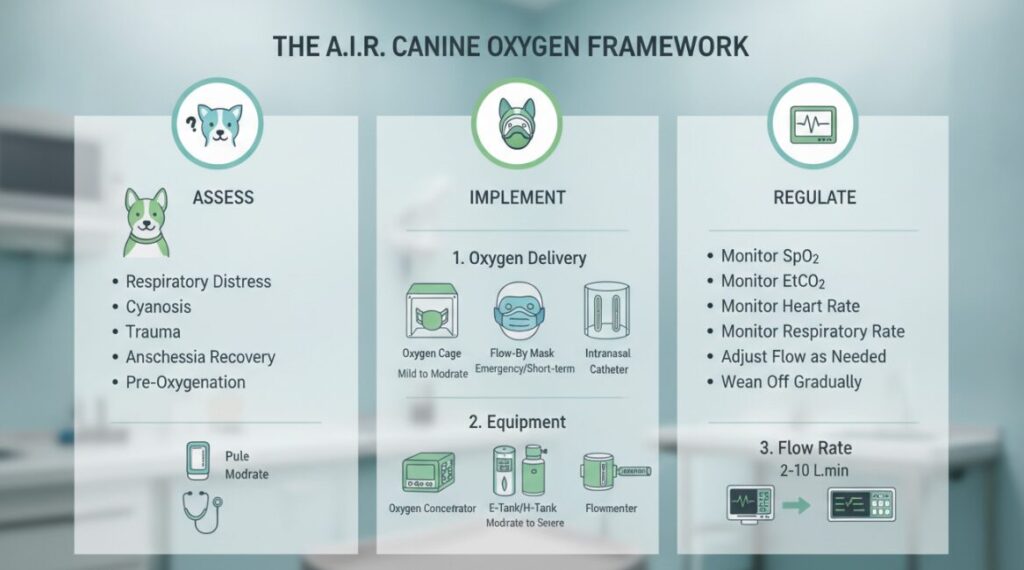
You must categorize your dog’s specific respiratory needs before buying equipment. The A.I.R. framework prevents fatal equipment mismatches and ensures your aging dog gets clinical-grade support.

Assess the Condition: Tracheal collapse, congestive heart failure, and pulmonary hypertension require different interventions. Palliative care for lung cancer prioritizes constant, low-stress normobaric oxygen. Acute injury recovery or severe tissue hypoxia benefits directly from hyperbaric oxygen therapy for dogs.

Implement the Right Chamber: Do not confuse an oxygen cage with a hyperbaric chamber. An oxygen cage tents the dog in concentrated oxygen at room pressure. A home mild-hyperbaric chamber uses a zipped polyurethane enclosure and an air compressor to increase internal pressure to 1.3 ATA.

Regulate the Flow Rate: You need a minimum of 5 to 10 Liters Per Minute of continuous oxygen flow to safely operate an enclosed pet oxygen chamber. Anything less fails to flush out the dog’s exhaled CO2.

The A.I.R. Canine Oxygen Framework

The Biggest Mistake In Home Pet Oxygen

Buying a cheap 1-5 LPM oxygen concentrator online and attaching it to a sealed PVC pet tent is a recipe for hypercapnia. Your dog exhales CO2 constantly.

A closed oxygen chamber for dogs requires high airflow to physically push that heavy CO2 out of the ventilation vents. If you use a weak concentrator, the oxygen percentage inside the cage might reach 40%, but the CO2 levels will silently spike past 5,000 ppm.

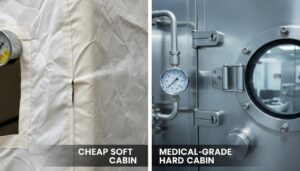
You need a medical-grade 10 LPM oxygen concentrator to operate a medium or large home oxygen cage safely. If your dog pants heavily, they produce more CO2, requiring even higher flow rates. Always leave one vent completely open. Never fully seal a DIY plastic bin or low-quality tent.

Normobaric Cage Vs. mHBOT

Treating respiratory failure relies on oxygen concentration, while treating deep tissue inflammation relies on atmospheric pressure.

A standard oxygen chamber for dogs at home delivers 40-50% oxygen purity at normal 1.0 ATA room pressure. This immediately saturates red blood cells. It stops coughing fits in dogs with collapsed tracheas and stabilizes breathing in dogs experiencing heart failure episodes. You can safely leave a dog in a normobaric cage for hours during palliative care.

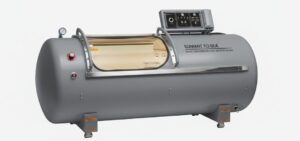
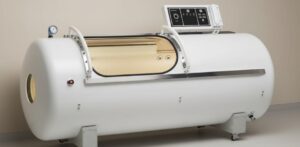
Home hyperbaric oxygen therapy for dogs operates at 1.3 to 1.5 ATA using ambient air or supplemented oxygen. The added pressure shrinks oxygen molecules, allowing them to dissolve directly into blood plasma, cerebrospinal fluid, and lymph independent of red blood cells. Vets recommend mHBOT for spinal cord injuries, stroke recovery, and severe wound healing.

Comparison: Normobaric Oxygen Cage vs. Home mHBOT Chamber

Comparison DimensionNormobaric Oxygen CageHome mHBOT Chamber (Soft-Shell)
Pressure (ATA)1.0 ATA (Normal atmospheric pressure / sea level)1.3~1.5 ATA (Mild hyperbaric pressure)
Primary Use CasesAcute respiratory distress, asthma, heart failure, emergency stabilization, general oxygen supplementation (Very common in veterinary care for pets or pediatric tents).Sports recovery, chronic fatigue syndrome, wellness & anti-aging, mild cognitive support, altitude sickness, general tissue oxygenation.
Safe DurationContinuous (Hours to Days), provided the oxygen concentration (FiO2) is kept at safe levels (usually < 50%) to prevent oxygen toxicity.60 to 120 minutes per session (Typically 1 to 2 sessions per day). Extended continuous use is not recommended due to pressure and fatigue.
Cost Estimate$300 – $1,500 USD <br>(Includes the PVC/acrylic cage or tent + a standard 5L-10L oxygen concentrator).$3,000 – $10,000+ USD <br>(Includes the airtight chamber, air compressor, oxygen concentrator, and often an air cooler/dehumidifier).
Setup DifficultyEasy <br>Simply unfold/assemble the cage, connect a single hose from the oxygen concentrator, and power it on.Moderate to Complex <br>Requires routing multiple hoses (air compressor + oxygen), setting up coolers, and properly sealing heavy-duty airtight zippers before each use.

Palliative Care & Tracheal Collapse Management

Properly calibrated home oxygen therapy drastically extends the comfort of dogs in their final months. Clinical observations from canine respiratory specialists reveal stark differences in recovery times based on equipment quality.

Dogs experiencing a severe tracheal collapse coughing fit inside a 10 LPM normobaric oxygen cage show a return to a normal resting respiratory rate within 8 to 12 minutes. Dogs treated with a 5 LPM system take up to 25 minutes to stabilize due to inadequate ambient oxygen displacement.

Mild hyperbaric therapy data shows a 30% faster reduction in spinal edema for post-operative IVDD dogs when completing 45-minute sessions twice daily at 1.3 ATA, compared to dogs healing in standard room air.

Step-by-Step: Setting Up Your Dog’s Home Oxygen Hub

Temperature control dictates the success of home oxygen therapy. Concentrators generate heat, and enclosed chambers trap body heat.

  1. Place the chamber in a climate-controlled room. Keep ambient temperatures below 68°F. Panting dogs overheat quickly in a sealed cage.
  2. Include active cooling. Place a specialized pet cooling mat inside the chamber. Do not use standard gel mats that a panicked dog might chew and ingest.
  3. Position the concentrator away from the cage. Oxygen concentrators emit loud, rhythmic compressor noises. Connect a 10-foot to 25-foot crush-proof oxygen tube so the noisy machine sits in another room or closet, keeping the dog’s recovery area silent.
  4. Monitor with a digital hygrometer. Buy a cheap digital thermometer/humidity gauge and mount it inside the cage facing out. If humidity exceeds 60% or temperature hits 75°F, open the cage immediately to vent.

FAQs

Can I use human oxygen for my dog?
Yes, the medical-grade oxygen produced by a human oxygen concentrator is exactly the same as veterinary oxygen. You must pair the machine with a species-appropriate oxygen mask or an explicitly designed oxygen chamber for dogs to deliver it effectively.

How much does a hyperbaric oxygen chamber for dogs cost?
Clinical hard-shell HBOT chambers used by veterinarians cost upwards of $50,000. Portable, soft-shell mild hyperbaric chambers for home use range from $4,000 to $8,000. Standard normobaric oxygen cages combined with a 10 LPM concentrator typically cost between $800 and $1,500.

How long can a dog stay in an oxygen chamber at home?
Dogs can remain in a well-ventilated, normobaric oxygen cage indefinitely during palliative care, provided the temperature, humidity, and CO2 clearance are strictly managed. Hyperbaric therapy sessions strictly last between 45 to 60 minutes per session to prevent oxygen toxicity.

Is 1.5 liters of oxygen enough for a dog?
No. 1.5 LPM is only sufficient if you are delivering oxygen directly via nasal cannulas to a very small dog. Supplying an enclosed oxygen chamber requires a minimum of 5 to 10 LPM to achieve therapeutic oxygen levels and flush out carbon dioxide.

Can oxygen therapy cure a collapsed trachea?
Oxygen therapy does not cure the physical degradation of the cartilage rings in a collapsed trachea. It acts as a critical management tool to break the cycle of coughing, airway inflammation, and hypoxia during acute flare-ups.

Are home oxygen cages safe for dogs unattended?
You must never leave a dog completely unattended in an active oxygen chamber. Power outages, kinked hoses, or temperature spikes inside the enclosure can quickly create a life-threatening situation for a compromised dog.

What is the difference between an oxygen concentrator and an oxygen tank?
An oxygen tank stores compressed, finite pure oxygen gas and requires constant medical refills. An oxygen concentrator is an electrical device that pulls in room air, filters out nitrogen, and continuously outputs concentrated oxygen endlessly as long as it has power. Home dog setups almost exclusively use concentrators.

前の記事 次だ:

関連推奨品

もっと拡大する!