What is a soft oxygen chamber
When many people first encounter the soft shell oxygen chamber, they are confused by its name. The soft shell in the name refers to a flexible outer shell, that is, the cabin is not a rigid metal or acrylic structure, but a soft cabin made of flexible materials that can be folded and stored. However, based on the literal meaning, we cannot confirm whether a device is sealed and pressurized, what its rated pressure is, what materials it uses, how it supplies oxygen, and we cannot determine whether it is a medical device. Thinking this through first is the first step in choosing the right device.
Various names on the market
This type of equipment has many similar names in procurement and daily communication. Some people call it a soft shell hyperbaric chamber, or a more complete soft shell hyperbaric oxygen chamber, based on its structure; some people emphasize the inflatable structure and call it an inflatable hyperbaric chamber, or even an inflatable hyperbaric oxygen chamber. Some people also start from flexible materials and call them soft hyperbaric chamber, soft hyperbaric oxygen chamber, or write it as soft-sided hyperbaric chamber, soft-sided hyperbaric chamber, and softshell hyperbaric chamber in conjunction. Soft chamber hyperbaric, hyperbaric soft chamber, and hyperbaric oxygen soft chamber with word order reversed are also common. As for the hyperbaric chamber bag, it is more of a bag-shaped, portable soft compartment that is easy to fold and store. Although there are many names, they mostly refer to the same type of low-pressure flexible cabin.
How the software cabin works
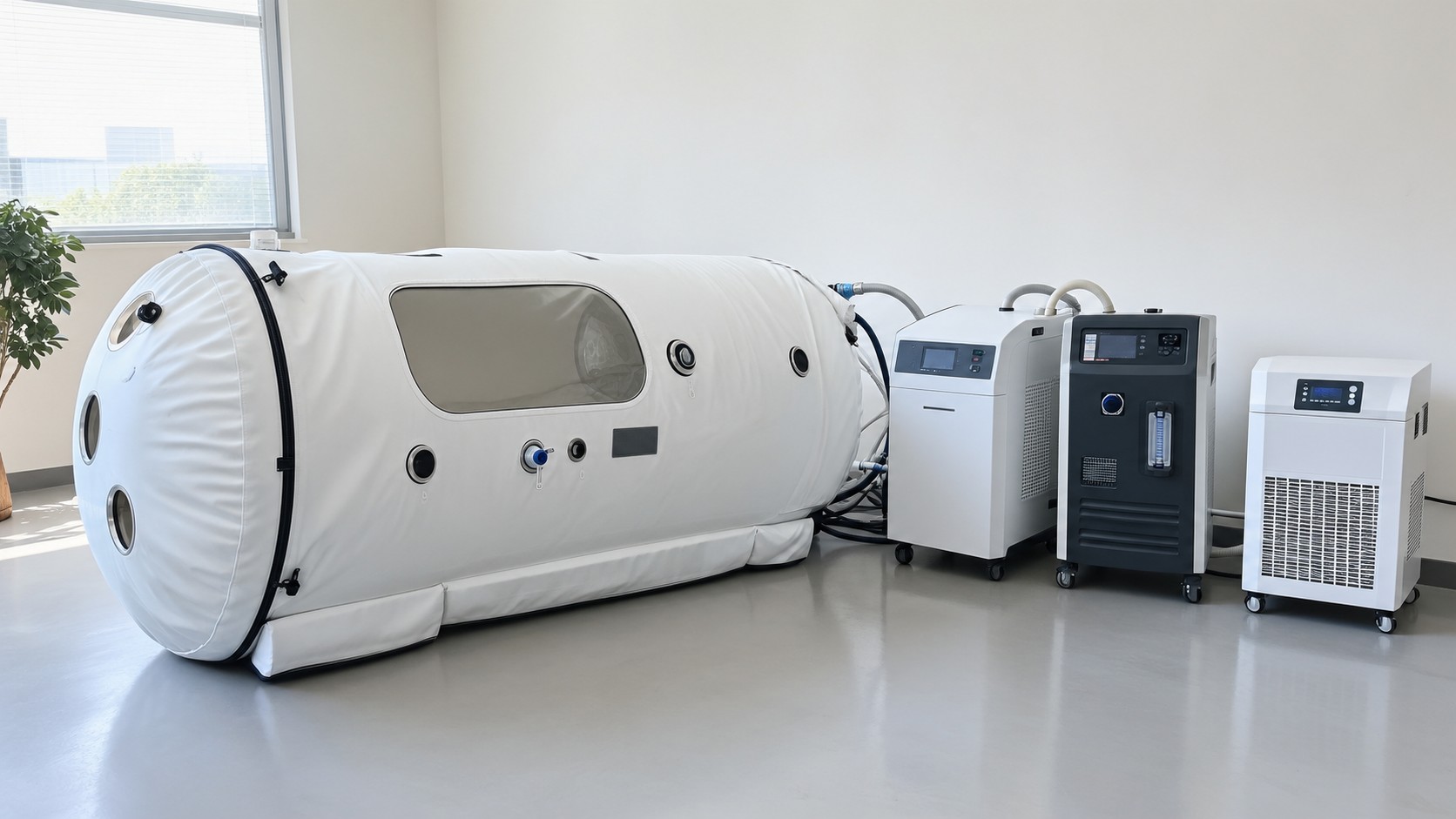
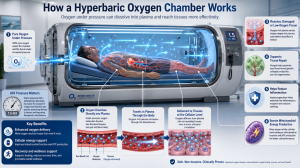
A complete soft hyperbaric oxygen chamber is not just about that bag or chamber. It typically works in conjunction with the cabin, air compressor, and oxygen generator: the air compressor feeds filtered air into the system, establishing and maintaining pressure within the cabin, with automatic valves responsible for keeping the pressure stable; the oxygen generator provides oxygen with a concentration of no less than 93%. Common soft compartment models include ST801, ST901, L1, ST1700, ST2200 and MC4000 N/U, and supporting equipment includes oxygen concentrators, air compressors and air coolers. In other words, to determine whether a soft cabin can be used, we cannot just look at the cabin itself, but also at whether the entire pressurization and oxygen supply system is equipped.
Pressure specifications and regulatory boundaries
Soft pods typically operate in lower pressure zones. The pressure specifications of the soft compartment models ST801, ST901, L1, ST1700, and ST2200 are all between 1.3, 1.4, or 1.5 ATA, while those of the MC4000 N/U are 1.3 or 1.4 ATA. There is also a lower-pressure portable fabric chamber in the industry. The portable fabric chamber corresponding to US 510(k) K072757 uses ambient air pressure to pressurize at a pressure of 1.2 or 1.3 ATA, and its intended use is limited to acute altitude sickness. UHMS’s position is clearer: exposure to air pressure below 1.4 ATA is not included in its definition of therapeutic hyperbaric oxygen, and its recognized clinical indications require patients to breathe nearly 100% oxygen at at least 2.0 ATA. Therefore, even if a low-pressure soft chamber has oxygen in its name, it cannot automatically be equated with clinical hyperbaric oxygen therapy equipment.
Common soft compartment models
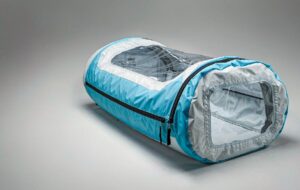
Soft cabins can be divided into several categories based on their posture and crew. In terms of recumbent mode, the ST801 is a single-person portable recumbent soft cabin with a foldable body made of TPU material, weighing approximately 13 kg, and an unfolded size of approximately 220 cm in length and 80 cm in diameter; the ST901 is a widened version that can accommodate one adult and one child lying down at the same time, and is equipped with a transparent window. In terms of seating, the L1 features an L-shaped zippered entrance and weighs approximately 12 kg; the ST1700 is equipped with an adjustable folding chair that can be used for sitting or reclining; and the ST2200 is an extended version that can also accommodate one adult and one child. The MC4000 N/U multi-person soft compartment features a U-shaped or N-shaped zipper, allowing two people to sit in it at the same time. The enlarged entrance also facilitates wheelchair access. These models all have a nominal noise limit of 45 decibels and also support customization of colors, logos, and red light therapy configurations.
Safety points during use
Although the soft cabin has a soft structure, it must be safe to use. High concentrations of oxygen increase the risk of fire. The operating area must implement fire protection and grounding measures consistent with the equipment, and electrical, static electricity or potentially prohibited items cannot be brought into the cabin at will. Also pay attention to clothing. Wool and some synthetic materials are more likely to generate static electricity. Do not bring them into the cabin before confirming compatibility. Cleaners and nursing supplies must also be confirmed to be compatible with high-pressure, oxygen-enriched environments. When used in home scenarios, continuous observation and monitoring should be provided, and emergency procedures should be established for medical abnormalities, fires, power outages, equipment failures, and inability to decompress properly; power outages may affect pressurization, ventilation, control, or alarms, and backup plans need to be considered in advance.
What to check when making a purchase
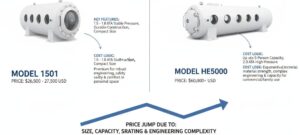
When purchasing a soft shell oxygen chamber, it is recommended to ask a few questions one by one. First check the pressure caliber to confirm whether it is 1.3, 1.4 or 1.5 ATA, and check the normal working pressure, maximum allowable pressure and pressure relief setting pressure. Higher pressure does not automatically mean more suitable. The target pressure should be evaluated together with the intended use, oxygen supply method and operating instructions. Then look at the supporting facilities to confirm whether the cabin, air compressor, oxygen generator and cooling equipment are complete. The volume and transportation path of the soft cabin after folding and storage must also be considered. Finally, look at the license and use, clarify the intended use and regulatory status of the specific model, and do not promote or use the low-pressure soft chamber as clinical treatment equipment. Checking these things out makes more sense than simply wondering whether it’s called a soft hyperbaric chamber or an inflatable hyperbaric chamber.
 HBOTSALE