 Hbot
Hbot


How Do You Feel After Hyperbaric Chamber
70Tired After Your First HBOT Dive? Discover Why Fatigue And Hunger Are Actually Positive Signs Of Deep Cellular Healing.
View details
Search the whole station
It is completely normal and quite common to feel tired after Hyperbaric Oxygen Therapy (HBOT). This post-treatment fatigue occurs because your body is undergoing an intensive cellular repair process; the high-pressure environment of the hyperbaric chamber floods your tissues with pure oxygen, significantly spiking your metabolic rate and increasing ATP production. As your system works overtime to heal damaged tissues, clear out metabolic waste (a process often called a detox reaction), and combat oxidative stress, it consumes a massive amount of energy—comparable to the exhaustion felt after a high-intensity workout. Furthermore, the shift in your parasympathetic nervous system during a session induces deep relaxation, which can manifest as immediate sleepiness or lethargy. For the vast majority of patients, this fatigue is a positive clinical indicator that the healing process has been successfully stimulated and your body is redirecting its resources toward recovery.
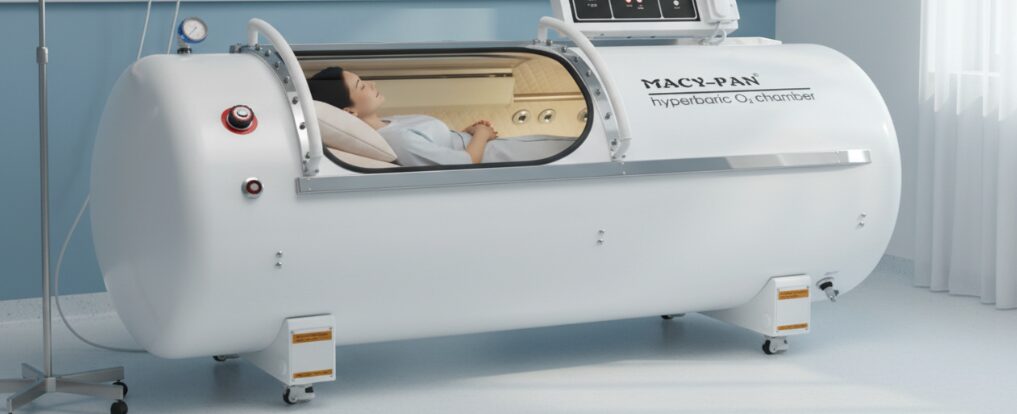
When you lie in a hyperbaric oxygen chamber, the amount of oxygen in your plasma soars to 10 to 15 times its usual level. The mitochondria in your body (that is, the cell’s energy factory) are actually running at full capacity at this time. Although oxygen is the fuel, the process of converting this much fuel into ATP (3 adenosine monophosphate) is very energy intensive. It’s like you’re sitting in a cabin, but your cells are actually making high-intensity “metabolic sprints”. This kind of high metabolic rate in a static state is essentially the same as doing intense aerobic exercise, so it is natural to feel soft legs and want to sleep after coming out.
The central role of hyperbaric oxygen is to repair those stubborn injuries. Once the oxygen is sufficient, the body immediately initiates several very energy-consuming tasks:
When the body allocates most of its energy reserves to these repair projects, less energy is allocated to “stay awake. You feel “hollowed out”, in fact, the body is forcing you to rest, so that it can concentrate on construction.
As oxygen penetrates deeper tissues that were previously poorly circulated, those accumulated metabolic wastes and toxins are “flushed” out. I often explain to patients that this is like a clean-up. Although the house is clean in the end, the process of removing garbage will definitely get dusty. Your lymphatic system and internal organs must work overtime to filter and remove these released wastes. This process of dealing with oxidative stress and cellular debris will give you a of heaviness and dullness similar to that of a cold at the beginning of recovery.
To the forefront of nutrition
HE5000
2.0ATA, Medical grade pressure is suitable to home health, Dimensions: 82 x 65 x 72 inch for 1-3 person using.
HE5000-Plus
2.0ATA, Medical grade pressure is suitable to home health, Dimensions: 102 x 65 x 72 inch for 1-4 person using.
Diamond-100
2.0ATA, Medical grade pressure is suitable to assist in the treatment of disease, diameter 39inch for two adults using.
In addition to the chemical changes, the closed, quiet environment of the hyperbaric oxygen chamber will directly switch your autonomic nerves from “combat mode” (sympathetic nerves) to “rest mode” (parasympathetic nerves). Many people are usually stressed and have high cortisol levels. After entering the cabin, as the stressful environment changes, cortisol will suddenly drop, and the body will realize: “Oh, it’s safe now, it can be trimmed.” This deep relaxation of the nervous system is manifested a kind of overwhelming drowsiness. It’s not just tired, it’s your nervous system signaling that it has finally found a state of deep repair.
From a clinical point of view, it is a positive signal. This fatigue explains at least three things:

Exhaustion after hyperbaric oxygen, in fact, is a by-product of the efficient operation of the body. Just like muscles will ache after fitness, cells will be tired after “fitness”. Therefore, I suggest not to hold on to work during treatment. Drink more water and go to sleep according to your body’s needs. Only when you give enough rest time can the repair cycle of hyperbaric oxygen be completed successfully.
Author: Julian Reed
With years of clinical experience specializing in hyperbaric medicine, I have guided countless patients through their recovery journeys. I am passionate about demystifying the science behind Hyperbaric Oxygen Therapy (HBOT) and helping people understand the complex signals their bodies send during the healing process.
Tired After Your First HBOT Dive? Discover Why Fatigue And Hunger Are Actually Positive Signs Of Deep Cellular Healing.
View details
Optimice Su Clínica Con La He5000 Mini 2 Personas. 1.3 Ata Segura, Certificación Ce/Iso Y Alto Roi En Poco Espacio.
View details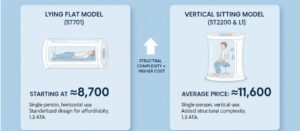
The price range is actually very large, from $8,700 to more than $65,000. This mainly depends on what kind of shell structure you need and how much pressure you want to achieve. Soft Shell Models (1.3 ATA) The budget for these models is usual...
View details
Exploring Hyperbaric Chamber Rentals For Home Recovery? Learn Average Costs, 1.3-1.5 Ata Specs, And Setup Tips Here.
View details