 HBOTSALE


Vertical Hyperbaric Oxygen Chamber: What To Check First
38Assess A Vertical Hyperbaric Oxygen Chamber By Posture, Entry, Space, Pressure, And Installation Requirements.
세부 정보 보기전체 방송국 검색
Hyperbaric chamber use accelerates healing by dissolving 100% pure oxygen directly into your blood plasma under increased atmospheric pressure, bypassing the natural limitations of your red blood cells. When your body sustains damage—whether from a marathon, invasive surgery, or natural cellular aging—standard oxygen intake fails to penetrate deep into inflamed, oxygen-starved tissues. Exposing your system to pressures between 1.3 and 2.4 ATA forces oxygen into these hard-to-reach areas, reducing swelling and triggering massive cellular repair. Buying random chamber sessions without matching the specific pressure protocol to your exact physical condition guarantees wasted money. Here is the clinical breakdown of how different pressures dictate specific healing outcomes.
Your body processes hyperbaric oxygen in three distinct, sequential phases based on the duration and atmospheric pressure applied. I use the “O2 Healing Pyramid” framework to design recovery protocols for clinical patients and professional athletes.
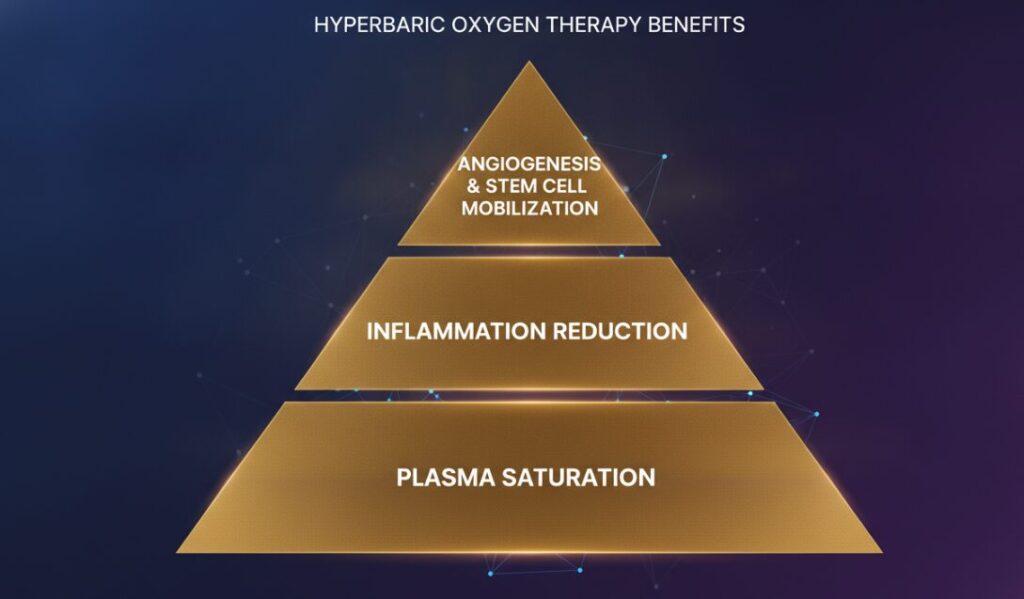
Phase 1: Blood Plasma Saturation. Pressure forces oxygen out of the red blood cells and dissolves it directly into the blood plasma, cerebrospinal fluid, and lymph system. A hyperbaric chamber used effectively pushes oxygen levels up to 1,200% higher than normal breathing. This immediate saturation stops tissue death in compromised areas instantly.
Phase 2: Hypoxia Reversal and Inflammation Drop. Saturated plasma easily crosses restricted blood vessels swollen by trauma or surgery. Oxygen reaching these ischemic tissues forces the swelling to collapse. Less fluid retention equals immediate pain reduction.
Phase 3: Angiogenesis and Stem Cell Release . Consistent hyperbaric chamber use for over 20 sessions triggers the growth of entirely new blood vessels. The pressurized environment signals the bone marrow to release up to 800% more stem cells into circulation. These cells seek out damaged tissues and rebuild them from scratch.
Different injuries require entirely different atmospheric pressures and session lengths. A single protocol does not fix every problem.
Athletes require lower pressure settings, specifically between 1.3 and 1.5 ATA, to manage daily muscle trauma. Heavy training creates micro-tears in muscle fibers and spikes lactic acid production, leading to delayed onset muscle soreness. Pressurized oxygen drives out lactic acid and repairs fascial tears in half the normal recovery time. NBA and NFL players utilize 60-minute mHBOT sessions immediately after high-intensity matches to reset their central nervous system.
Surgical recovery demands medical-grade pressures ranging from 2.0 to 2.4 ATA. Whether recovering from orthopedic joint replacement or cosmetic procedures like facelifts and BBLs, the trauma compromises local blood supply. A hyperbaric chamber used for surgical recovery prevents tissue necrosis by keeping skin grafts and incisions heavily oxygenated while the body rebuilds the severed capillaries. Patients who complete 5 to 10 sessions pre- and post-surgery show significantly flatter, lighter scars and a 70% reduction in bruising duration.
Longevity clinics apply specific fluctuation protocols to reverse cellular aging at the DNA level. Recent clinical trials from the Shamir Medical Center proved that placing patients in a chamber at 2.0 ATA and taking off the oxygen mask for 5 minutes every 20 minutes tricks the body into thinking it is experiencing hypoxia. This “hyperoxic-hypoxic paradox” clears out dead, toxic senescent cells and extends telomere length by up to 20%. The hyperbaric chamber used in this specific fluctuation pattern is currently the only non-pharmaceutical intervention proven to reverse biological aging markers.
Most consumers waste thousands of dollars buying cheap, inflatable soft-shell chambers online, expecting medical-grade results. You must understand the physics of pressure before choosing a therapy route.
Inflatable PVC or polyurethane soft chambers max out at 1.3 ATA and typically run on ambient room air. They are excellent for minor sports fatigue or mild altitude sickness. They fail completely at treating severe surgical wounds, radiation tissue damage, or deep systemic infections. Medical-grade hard-shell steel or acrylic chambers reach 2.0 to 3.0 ATA and deliver 100% pure oxygen. Trying to heal a compromised skin graft in a soft-shell chamber is clinically useless.
| 주요 기능 | Soft-Shell Chamber (Mild HBOT) | Hard-Shell Chamber (Clinical HBOT) |
| Max Pressure (ATA) | Typically 1.3 ~ 1.5 ATA (Low pressure) | Typically 2.0 to 3.0 ATA (High pressure) |
| Oxygen Concentration | 21% – 30% ambient (Can deliver up to 90-95% O2 via face mask/cannula) | 100% Medical-Grade Oxygen throughout the entire chamber environment |
| Best Used For | General wellness, sports recovery, mild fatigue, anti-aging, and home use. | Clinical treatments (e.g., severe wound healing, radiation injury, CO poisoning). |
| Cost / Accessibility | Lower Cost ($3k – $15k); High accessibility (Home setups, wellness spas). | High Cost ($50k – $150k+); Low accessibility (Hospitals, specialized medical centers). |
| FDA Medical Approval Status | Generally cleared for Acute Mountain Sickness only (often used “off-label” for wellness). | FDA Approved for 13+ specific medical conditions (e.g., decompression sickness, diabetic foot ulcers). |
What is a hyperbaric chamber used for exactly?
It is used to treat severe wounds, decompression sickness, carbon monoxide poisoning, radiation injuries, and increasingly for sports recovery and anti-aging. The high pressure forces high volumes of oxygen into blood plasma to repair damaged cells faster than normal breathing allows.
How many sessions of hyperbaric oxygen therapy do you need?
Minor sports recovery requires 3 to 5 sessions. Post-surgical healing typically demands 10 to 20 sessions. Chronic conditions or cellular anti-aging protocols require 40 to 60 consecutive sessions to force the body to grow new blood vessels.
Is hyperbaric chamber use safe for everyone?
No. People with untreated pneumothorax, severe congestive heart failure, or those currently taking specific chemotherapy drugs must avoid hyperbaric environments. Pressure changes can cause ear barotrauma if you cannot equalize your ears properly.
How long does a typical hyperbaric session last?
A standard session lasts between 60 and 120 minutes. The timeline includes 10-15 minutes of initial pressurization , the main treatment phase at the target pressure, and 10-15 minutes of depressurization.
Can you wear regular clothes inside the chamber?
Hard-shell chambers pumping 100% pure oxygen require patients to wear 100% cotton medical scrubs to eliminate any risk of static electricity sparks. Soft-shell chambers using ambient air allow regular comfortable clothing, provided there are no sharp metal zippers or hard buttons.
How quickly will I see results from a hyperbaric chamber?
Acute issues like surgical bruising and swelling visibly reduce within 2 to 3 sessions. Systemic repairs, such as nerve regeneration or bone healing, require at least 20 sessions before physiological changes appear on medical scans.
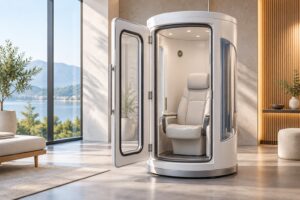
Assess A Vertical Hyperbaric Oxygen Chamber By Posture, Entry, Space, Pressure, And Installation Requirements.
세부 정보 보기
ATA 수준과 임상 프로토콜에 따라 고압산소 챔버를 안전하게 감압하는 데 10~15분이 걸리는 이유를 알아보세요.
세부 정보 보기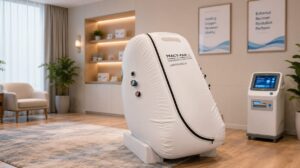
다음에서 닫힙니다. 0 초