 HBOTSALE


고압 산소 치료 매시파노공식
455고압 산소 요법 Macypanofficial 구매. 18 년 이상 공장, Ce 인증. 글로벌 유통 업체를위한 도매 가격.
세부 정보 보기전체 방송국 검색
고압 산소 챔버의 작동은 실제로 3가지 구체적인 단계로 나뉩니다. 첫째, 목표 대기압(보통 1.3~2.0 ATA)을 설정합니다. 둘째, 10분간의 가압 완충 기간 동안 귀의 압력 균형을 잘 맞춥니다. 마지막으로, 밀폐형 경량 흡입 마스크(재호흡 방지 마스크)를 착용하고 농도 95~100%의 의료용 산소를 흡입합니다. 전체 과정은 60~90분 동안 진행됩니다.
인체의 세포 구조와 혈관계는 마치 실제 정글 놀이터와 같은 복잡한 생물권으로 생각할 수 있습니다. 이 놀이터를 업그레이드하려면 최고급 도구를 사용해야 하며, 고압 산소 요법(HBOT) 캐빈은 조직 재생, 운동 후 회복, 전신 바이오해킹(biohacking)을 위한 최고의 도구임에 틀림없습니다. 지금 인터넷에 올라온 사용 설명서들은 그저 시간 낭비일 뿐입니다. “편안한 옷을 입으세요” 같은 막연한 조언만 가득할 뿐, 산소 흡수율의 물리적 원리를 통해 산소를 최대한 활용하는 방법은 전혀 언급하지 않거든요. 오늘 저는 확실한 데이터와 임상 프로그램을 바탕으로 고압 산소 챔버를 운영하는 방법과 산소를 혈장에 효과적으로 “주입”하는 방법을 알려드리겠습니다. 이 내용을 익히면 초보자가 어둠 속을 더듬는 단계를 바로 건너뛸 수 있습니다.
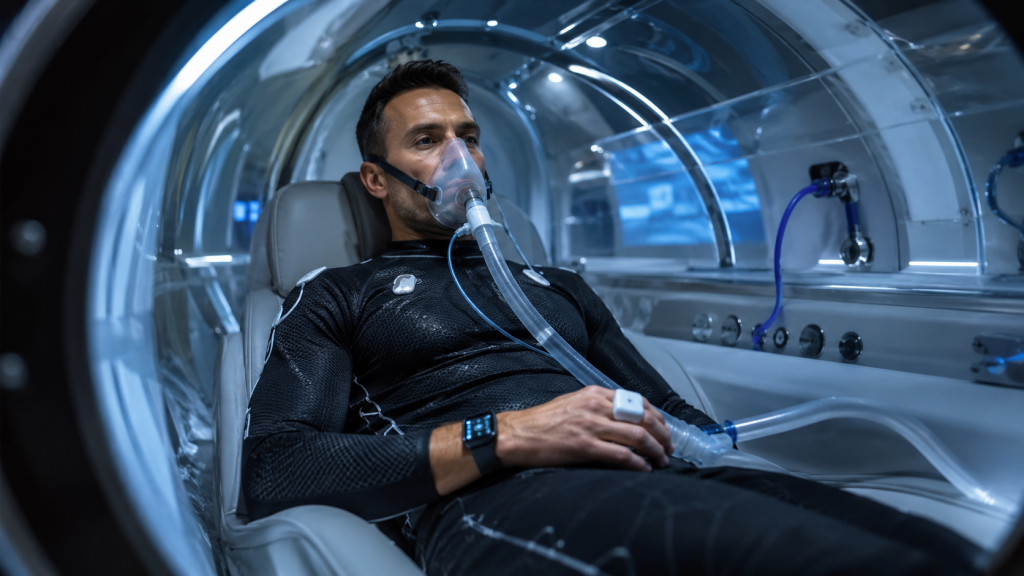
이 P.E.A.K. 프로토콜을 활용하면 mHBOT(미세 고압 산소 요법)를 시행하거나 임상용 고압 산소 챔버를 사용할 때 더 이상 막연한 추측에 의존하지 않아도 됩니다. 이는 특히 스포츠 부상 재활을 위해 500시간 이상의 개인 챔버 데이터를 분석한 끝에 제가 정리한 4가지 핵심 요령입니다.
산소 농도가 높은 환경에서는 마찰이 치명적인 위험을 초래할 수 있습니다. 고압 챔버에 들어가기 전에는 모든 합성 섬유 의류를 벗고, 전자기기를 제거하며, 피부에 바른 유분 함유 크림(바셀린 등)을 씻어내야 합니다. 챔버에 들어갈 때는 100% 면 소재의 옷만 입어야 합니다. 압력 설정의 경우, 인지 능력 향상과 같은 일상적인 유지 관리를 위한 것이라면 제어 밸브를 1.3 ATA로 조정하기만 하면 됩니다. 그러나 수술 후 상처의 신속한 치유를 위한 강력한 요구가 있는 경우에는 1.5~2.0 ATA로 조정합니다.
산소 농축기의 유량을 분당 최소 10리터(LPM)로 설정해야 합니다. 압축기를 켠 후에는 압력계를 주의 깊게 지켜보십시오. 바늘이 부드럽게 올라가며, 최대 압력에 도달하는 데 약 10~15분이 소요됩니다.
기압 외상은 많은 사람들이 고압 산소 요법을 포기하는 가장 큰 이유입니다. 귀가 아파지기 전까지 미루지 말고 미리 대처하세요. 압축기가 켜지는 즉시 귀의 압력 균형을 맞추기 시작해야 합니다.
혈압이 이유 없이 급격히 치솟게 될 수 있으므로, 너무 격렬한 발살바 기법(코를 막고 힘껏 숨을 내쉬는 동작)은 피하는 것이 좋습니다. “하품-삼키기-고개 돌리기”라는 미세 동작 조합을 시도해 볼 수 있습니다. 턱을 약간 앞으로 내밀고, 침 한 모금을 삼킨 다음, 고개를 좌우로 흔들어 보세요. 이렇게 하면 유스타키오관이 자연스럽게 열립니다. 압박감이 너무 심하다고 느껴지면 억지로 참지 말고, 안전 릴리프 밸브를 3초간 눌러 누른 상태를 유지한 뒤, 일시적으로 압력이 상승하도록 한 다음 귀가 편안해지면 다시 진행하세요.
사실, 1.3 ATA의 소프트 캐빈 내 공기를 흡입하는 것은 무의미합니다. 압축기는 주로 압력을 생성하기 위해 여과된 실내 공기(산소 약 21%)만을 캐빈으로 주입하기 때문입니다. 플라즈마를 산소로 완전히 채우려면 밀폐 성능이 뛰어난 논리브리더 마스크(non-rebreathing mask)를 착용하고 산소 발생기에 직접 연결해야 합니다.
이 단계에서는 반드시 코로 숨을 쉬어야 하며, 이는 절대적인 사항입니다. 코로 숨을 쉬면 부비동이 자극되어 산화질소가 분비됩니다. 산화질소는 강력한 혈관 확장제로, 혈관을 확장시켜 산소가 풍부한 혈장이 허혈 및 저산소 상태의 심부 조직으로 최대한 빠르게 전달되도록 합니다. 이 60~90분 동안의 과정에서는 마스크를 벗지 마십시오.
캡슐의 압력을 낮추는 순간부터 가스 방출이 시작됩니다. 걱정하지 마세요. 5~10분 정도 시간을 두고 천천히 감압해야 합니다. 그렇지 않으면 조직에 미세 기포가 갑자기 생기는 일이 실제로 발생할 수 있으니, 결코 가볍게 여길 문제가 아닙니다.
캡슐에서 나온 직후, 여러분의 세포는 산소 공급이 풍부하고 신진대사가 매우 활발한 상태에 있습니다. 이 절호의 기회를 놓치지 마세요! 적색광 치료(광생체조절) 패널 바로 앞에 10분 동안 서 계세요. 적색광과 근적외선은 방금 유입된 산소를 “밀어내어” 미토콘드리아 전자 수송 사슬을 더 빠르게 통과하게 하고, ATP(세포 에너지) 생성을 가속화합니다.
| 전통적인 산소 요법의 단계 | P.E.A.K. 프로토콜 단계 | 혈중 산소 이용률의 차이 (성능 향상) |
| 표준 감압: 가스 배출을 위한 정확한 타이밍을 맞추지 않은 채 챔버에서 일상적으로 출고하는 행위. | 서서히 감압: 5분에서 10분 동안 엄격하게 시간을 지켜가며 서서히 감압하는 단계. | 산소 보유력 극대화: 조직 내에서 갑작스러운 미세 기포 형성을 방지하여, 용존 산소가 세포 내에 안전하고 완벽하게 흡수되도록 보장합니다. |
| 치료 후 수동적 회복: 챔버에서 나온 직후 휴식을 취하거나 평소의 일상 활동으로 바로 복귀하는 것. | 즉각적인 시너지 효과: 출구에서 나온 직후, 레드 라이트 테라피(광생체조절요법) 패널 바로 앞에 10분 동안 서 있습니다. | 능동형 산소 포집: 산소가 수동적으로 소실되기 전, 세포가 일시적으로 높은 산소 농도를 보이며 대사 활동이 활발한 상태를 활용합니다. |
| 표준 세포 호흡: 세포는 기초 대사율에서 과잉 산소를 수동적으로 이용합니다. | 미토콘드리아 과부하: 적색광과 근적외선은 세포 내 미토콘드리아와 직접 상호작용한다. | 최적화된 전자 수송: 새로 공급된 산소를 미토콘드리아 전자 전달계를 통해 훨씬 더 빠른 속도로 적극적으로 이동시킵니다. |
| 정상 에너지 생산량: 시간에 따른 점진적이고 표준적인 세포 에너지 합성. | ATP 생성 촉진: 과산소화 세포와 광생물조절법의 병용. | 폭발적인 에너지 출력: 공급된 산소(O2)를 즉시 가속화된 세포 에너지(ATP) 생산으로 전환함으로써 혈액 내 산소 이용률을 극대화합니다. |
요즘은 많은 저가형 이코노미석에 그런 싸구려 비강 카테터가 비치되어 있습니다. 저는 종종 사람들이 90분 동안 기내에 누워서, 마치 깊은 휴식을 취하고 있다고 기쁘게 생각하는 모습을 자주 봅니다. 사실, 기내의 일반 공기가 이미 산소를 거의 희석시켜 버렸습니다. 그 헐거운 비강 캐뉼라로는 기껏해야 35% 농도의 산소만 흡입할 수 있습니다. 그 쓸모없는 호스는 그냥 버리세요! 일방향 배기 밸브가 달린 의료용 실리콘 마스크를 구입하여, 흡입하는 산소의 순도가 95%에 달하도록 하세요.
모든 것이 많을수록 좋은 것은 아닙니다. 고압 환경에서 120분 이상 머무르면 산소 중독이 발생하고 다량의 활성산소가 생성됩니다. 중추 신경계가 극도로 피로해질 것입니다. 매일 캡슐에 들어가는 최적의 시간은 90분 이내입니다. 해치를 열기 10분 전에 분자 수소가 풍부한 물(HRW) 8온스를 마시는 것을 강력히 권장합니다. 고농도의 산소를 흡입하면 체내에서 유해한 세포 독성 하이드록실 라디칼이 생성되는데, 수소가 이를 효과적으로 중화시켜 주기 때문입니다. 이렇게 하면 산소 요법의 이점을 누리는 동시에 세포를 잘 보호할 수 있습니다.
최근 우리 스포츠 재활 팀에서는 “무언가를 하는 것’에 대한 특별한 내부 통제 실험을 진행했습니다. 이번에는 100km 초장거리 크로스컨트리 경주를 막 마친, 무릎과 발목이 찐빵처럼 부어오른 18명의 엘리트 러너들을 대상으로 삼았습니다. 고압산소 챔버가 과연 그만큼의 비용이 들 만한 가치가 있는지에 대한 의문을 해소하기 위해, 이 선수들을 두 그룹으로 나누었습니다.
A 그룹: 순수 크립톤-골드 요법을 선택합니다. 병원의 ATA -2.0 의료용 하드 캐빈에 직접 입실하도록 조치하고, 100% 순수 산소 환경에서 치료를 받으며, 매일 60분 동안 누워 있습니다.
B 그룹: 시중에서 흔히 볼 수 있는 1.5 ATA 상업용 소프트 캐빈을 사용하며, 매일 90분 동안 머무릅니다. 하지만! 저희는 이 그룹에 P.E.A.K.가 주창하는 일련의 “해커 스타일” 운영 방식을 적용했습니다. 첫째, 캐빈에 들어가기 전에 외인성 케톤체를 반드시 보충해야 합니다; 둘째, 마스크는 너무 무거울 필요는 없지만, 가장자리가 뺨에 밀착되어 가스가 새어 나가지 않아야 합니다. 셋째, 그리고 가장 고통스러운 점은—캡슐에 머무는 동안 내내 입을 단단히 다물고 코로만 호흡해야 한다는 것입니다.
반달(14일)이 지난 후, 재검토 결과는 우리 팀을 깜짝 놀라게 했다.
B 그룹의 경우, 소프트 캐빈을 사용한 러너들의 해당 부위 국소 부종이 무려 42%나 가라앉았습니다! 궁금하신가요? 바로 옆 A조는 10만 달러 상당의 최고급 의료용 하드 캐빈을 사용했지만, “일반 선수’들로 구성된 B조의 재활 효과와는 3%의 미세한 차이가 나타났습니다!
이는 마스크가 제자리에 밀착되어 있고, 정확한 케톤 보충 전략 및 호흡법과 결합된다면, 평범한 저압 소프트 캐빈이라도 10만 달러짜리 하드 캐빈이 선사하는 생리학적 기적을 뛰어넘을 수 있음을 보여줍니다. 솔직히 말해, 장비는 여전히 두 번째로 중요한 요소일 뿐입니다. 어떤 전략을 사용하느냐, 그리고 캡슐에 들어간 후 어떻게 호흡하느냐가 결국 얼마나 많은 혈액을 회복할 수 있는지를 결정하는 궁극적인 비결입니다.
급성 스포츠 부상을 막 입었거나 수술 후 회복 중인 경우, 처음 14일 동안은 주 5~6회 정도의 높은 빈도를 유지하는 것이 가장 좋습니다. 하지만 단순히 일상적인 건강 관리나 노화 방지를 위한 것이라면 주 2~3회 정도면 충분합니다. 모두가 명심해야 할 원칙이 하나 있습니다. 가끔 한 번씩 오랫동안 운동하는 것보다, 규칙적으로 꾸준히 운동하는 것이 훨씬 더 유익하다는 점입니다.
이런 부분은 별도로 살펴봐야 합니다. 실내 공기를 압축하는 1.3 ATA의 초저압 소프트 컴파트먼트를 사용하는 경우, 스마트폰을 가지고 들어가서 1. 하지만 압력이 1.5 ATA를 초과하고 100% 순수 산소로 채워진 경질 캐빈에 누워 있는 경우에는, 어떤 전자 제품도 절대 반입해서는 안 됩니다! 이러한 극도로 산소가 풍부한 환경에서는 배터리가 아주 미약한 스파크만 발생해도 즉시 치명적인 폭발을 일으킬 수 있으며, 이는 결코 과장된 경고가 아닙니다.
1인 조종 시, 조종실 내부의 압력을 조절할 수 있어야 합니다. 조종실 내에 예비 내부 과압 방출 밸브가 비치되어 있는지 반드시 확인해야 합니다. 평소에는 무전기나 휴대전화(휴대전화는 소프트 캐빈에서만 사용 가능)를 가슴 부근의 편리한 위치에 두십시오. 가장 중요한 점은, 내부에서 손으로 직접 열 수 없는 외부 지퍼는 잠그지 말아야 한다는 것입니다.
감압 과정은 가압 속도와 동일해야 합니다. 압축기를 끄고 배기 밸브를 살짝 풀어주세요. 7~10분 동안 압력이 서서히 떨어지도록 하십시오. 이 과정을 급하게 진행하면 내이가 견딜 수 없을 정도로 아프고 심한 현기증이 발생할 수 있습니다.
산소실에 들어가기 2시간 전에 저탄수화물 식사를 소량 한 끼 섭취하는 것이 가장 좋습니다. 스트레스가 많은 환경에서는 소화 속도가 느려지기 때문입니다. 사실, 공복 상태로 들어가거나 외인성 케톤(exogenous ketones)을 바로 섭취할 수 있다면, 뇌가 산소와 지방을 연료로 사용하도록 유도할 수 있으며, 이는 산소 요법이 신경인지 기능에 미치는 효과를 크게 증폭시킬 것입니다.
ATA는 Atmospheres Absolute(절대 대기압)의 약자입니다. 1.0 ATA는 해수면에서의 정상 대기압과 동일합니다. 기내 압력을 1.3 ATA로 설정하면, 평소보다 30% 더 높은 대기압을 견뎌야 한다는 의미입니다. 이 중요한 수치를 과소평가해서는 안 됩니다. 이 압력은 산소 분자를 충분히 작게 압축하여, 적혈구가 운반할 때까지 기다릴 필요 없이 혈장에 직접 용해될 수 있게 해줍니다.
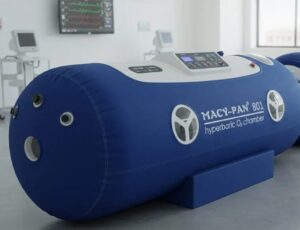
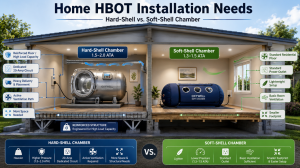
가정용 고압산소 챔버 가격은 얼마일까요? 구매하기 전에 숨겨진 설치 비용과 실제 손익분기점을 확인해 보세요.
세부 정보 보기
MEDICA 2024에서 MACY-PAN은 혁신적인 고압산소 챔버를 선보이며 스마트 헬스케어 솔루션과 글로벌 확장을 추진해온 18년간의 전문성을 강조했습니다.
세부 정보 보기
고압 산소 치료(HBOT) 전문 장비로 널리 알려진 HE5000 시리즈는 최근 업계에서 큰 인기를 얻고 있습니다. 기관의 주요 관심사를 구매 시점에 해결할 수 있는 이유는 무엇입니까?
세부 정보 보기다음에서 닫힙니다. 0 초