 HBOTSALE


高気圧チャンバー費用
778高気圧酸素療法(HBOT)の分野では、価格はブランド・プレミアムに直接相当するものではなく、物理療法の窓(Therapeutic Window)と生命安全の冗長性(Safety Redundancy)の直接的な具現化である。あなたが...
詳細を見る駅全体を検索
When athletes, gyms, or recovery centers see a pod labeled “sports recovery”, it’s easy to ask how stressful it is and whether it looks professional without asking what kind of equipment it is. The motion scenario is not an engineering grade, nor does it automatically specify the cabin structure, oxygen supply method, permitted scope, or operating conditions. To determine whether a sports hyperbaric chamber is suitable for procurement, the starting point should be the specific model and usage conditions, not the name “sports”.
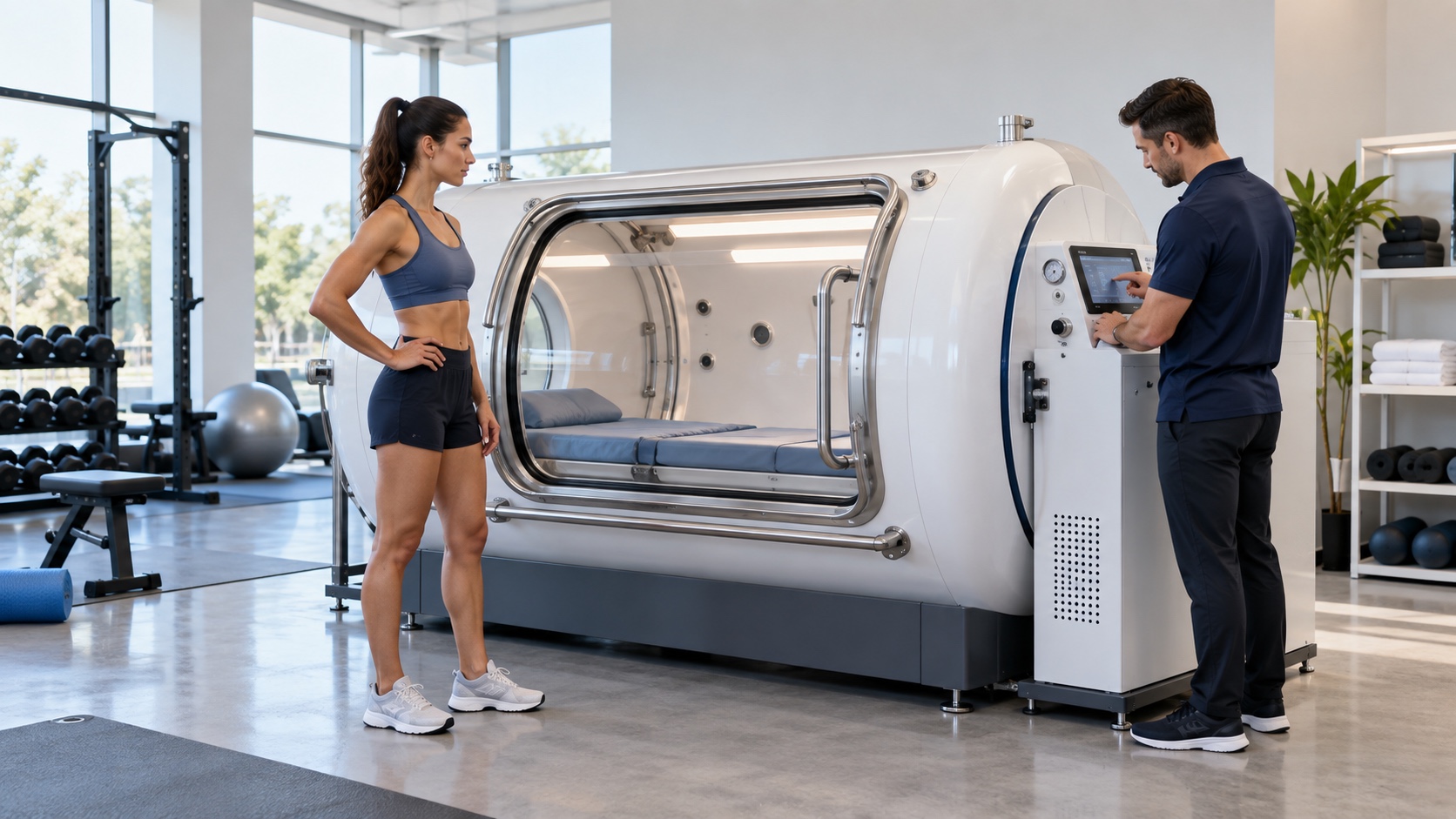
The buyer should first clarify where the equipment is planned to be placed, who will use it, who will be responsible for its operation and supervision, and how the intended use is stated in the manufacturer’s documents. For projects targeting health services, institutional operations, and clinical treatment, the personnel, venues, and compliance thresholds are not the same, and a vague set of “sports recovery” instructions cannot be shared.
Be especially wary of applying licenses for other models or other uses directly. The license for a low-pressure fabric chamber does not mean that all products of the same brand are suitable for health care, recovery or disease treatment; the presence of oxygen, HBOT, wellness or recovery in the device name does not alone prove that it is a clinical hyperbaric oxygen therapy device. What’s really useful are the intended use of the model, the target market licensing record, the label, and the instructions for use.
When comparing pressures, first confirm whether the numbers use ATA, psia, or psig, and then check the normal operating pressure, maximum permissible operating pressure, and pressure relief settings. Simply writing “2.0” or “psi” is insufficient because the pressure reference aperture is unclear, and two seemingly similar numbers may not be directly comparable.
Higher pressure does not automatically equate to being more suitable for athletes. The target pressure must be determined together with the cabin structure, intended use, pressurized medium, breathing gas, and professional supervision requirements. Even if a device is labeled with 2.0 ATA, this value alone cannot be used to determine that it meets the complete requirements for clinical hyperbaric oxygen; conversely, low-pressure devices with 1.3 to 1.5 ATA cannot be expanded for use solely by the name “mild” or “oxygen”.
When confirming with the supplier, it is best to write into the configuration table what gas is used to pressurize the cabin, what gas the user actually breathes, what interface oxygen is delivered through, and how ventilation and exhaust are completed. The oxygen generator, compressor, and cabin may belong to the same system, but no single component can replace the description of the entire manned pressure system.
Sports facilities typically already have equipment, staff flow lines, and regular training periods. The dimensions of the cabin are only the first step in the inspection; they also measure the door widths, elevators, corridors, and turning spaces along the transport path, and leave space for control systems, air routes, electrical systems, heat dissipation, fire protection, cleaning, and maintenance. It is labeled as portable or foldable, and only some of its mobility or deployment attributes are specified; compressors, oxygen supply equipment, cooling equipment and safety accessories still need to be checked for weight, packaging and installation requirements according to the entire system.
User adaptation cannot be limited to “suitable for athletes”. For horizontal cabins, check the internal length, diameter, entrance and transfer method; for seated cabins, check the leg and headroom and entry and exit movements. Post-exercise fatigue, body size differences, or mobility limitations can affect entry and exit, communication, and emergency evacuation arrangements, but these conditions should be handled by specific operating procedures rather than summarized by a single marketing label.
External operations and ongoing guardianship responsibilities must also be clearly defined during operation. Equipment instructions, training requirements, alarm identification, communication methods, emergency decompression, and power outage management should all be implemented before procurement. Putting equipment in the gym does not eliminate the manufacturer’s requirements for operation, maintenance, fire protection, or inspection.
A practical screening method is to first set the thresholds of intended use matching, model approval, pressure and oxygen supply plan, site installation, personnel supervision, fire electrical, complete documentation and after-sales support. When a key piece of content is missing, it should be marked as insufficient information, rather than offset by a more attractive appearance, a lower price, or faster delivery.
After passing the threshold, the postural comfort, interior space, cleaning turnover, maintenance cycle, training, spare parts, warranty and full life cycle costs are compared. Commercial premises must also verify the planned frequency of use, ventilation or cooling conditions, and local operating requirements; “commercial” is also not proof of high-frequency operating capability.
Finally, the supplier is requested to deliver a set of documents corresponding to the specific model: a formal quotation and configuration list, technical specifications, labels, instructions for use, installation conditions, maintenance plan, safety information, and, where applicable, market approval and standard scope. The manufacturer, model, manufacturing location, and actual equipment in the document should be able to correspond to each other. Without this step, the so-called sports-specific name is still just an unverifiable name.
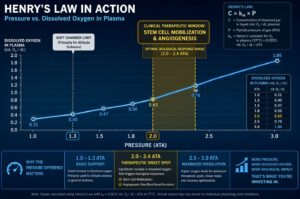
高気圧酸素療法(HBOT)の分野では、価格はブランド・プレミアムに直接相当するものではなく、物理療法の窓(Therapeutic Window)と生命安全の冗長性(Safety Redundancy)の直接的な具現化である。あなたが...
詳細を見る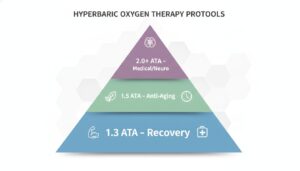
Top Benefits Of Hyperbaric Oxygen Chamber In 2026. Match ATA Levels To Clinical Results And Avoid Soft Chamber Traps.
詳細を見る
高気圧酸素チャンバーは、ハイエンドの健康管理とリハビリテーションの補助設備として位置づけられています。航空グレードのアルミニウム合金または医療グレードの複合ポリウレタン材料で作られており、様々なバージョンを提供しています。.
詳細を見る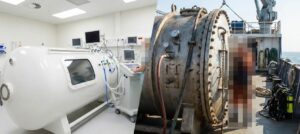
高気圧酸素室と減圧室は本質的に同じものである。臨床工学的見地から言えば、いずれも減圧症(一般に「潜水病」と呼ばれる)を予防または治療するために、制御された圧力環境を使用する。.
詳細を見るで終了する。 0 おかわり