 HBOTSALE


ما هي استخدامات غرفة الضغط العالي؟ 7 استخدامات طبية
816اكتشف الأغراض التي تُستخدم من أجلها غرفة الضغط العالي. تعرف على 7 استخدامات طبية وعلم العلاج بالأكسجين عالي الضغط.
عرض التفاصيلابحث في المحطة بأكملها
لا تتحقق السلامة الحقيقية لغرفة الضغط العالي المحمولة المخصصة للاستخدام المنزلي إلا عندما يتم تصميمها باستخدام مواد TPU ذات جودة طبية، وصمامات تنفيس ضغط مزدوجة احتياطية، ومعدل سلامة هيكلية قابل للتحقق منه يتراوح بين 1.3 و1.5 ATA. تخفي معظم الغرف اللينة المخصصة للمستهلكين عيوبًا هندسية قاتلة وراء حملات تسويقية مكثفة، مما يعرض المستخدمين لخطر سمية المواد وانخفاض الضغط المفاجئ. سأكشف عن المخاطر الهيكلية التي تتجاهلها صناعة الرعاية الصحية المنزلية، وسأقدم معيارًا صارمًا لاختيار نظام العلاج بالأكسجين عالي الضغط الخفيف التالي الخاص بك.
لقد قمنا بتطوير «مصفوفة S.A.F.E.» بعد إجراء اختبارات تحمل على 18 نظامًا رائدًا من أنظمة العلاج بالضغط العالي المنزلي. ويستبعد هذا الإطار المصطلحات التسويقية ويُلزم الشركات المصنعة بإثبات صحة ادعاءاتها المتعلقة بالسلامة من خلال أربعة ركائز هندسية غير قابلة للتفاوض.
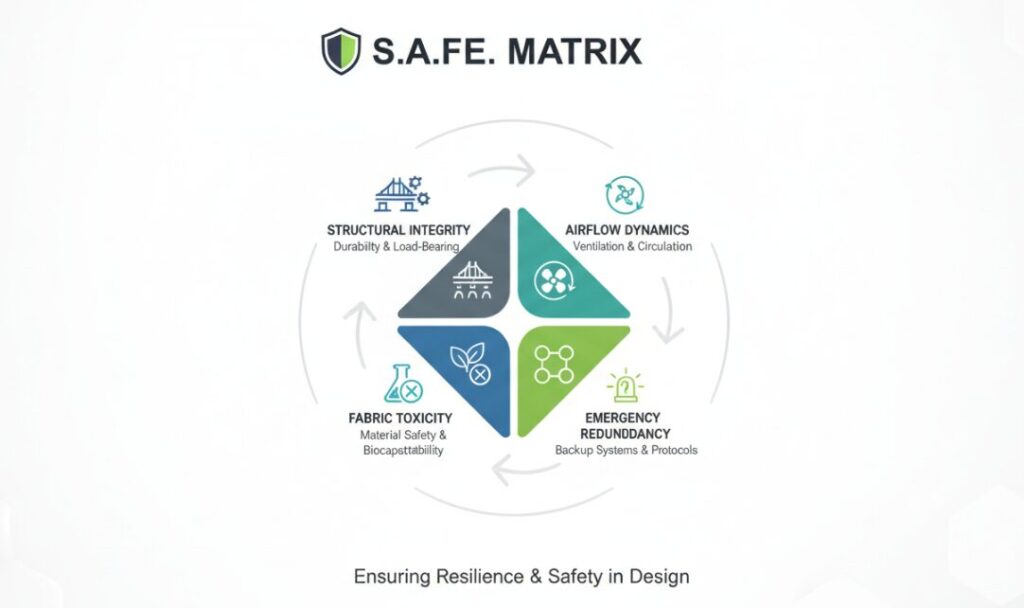
تقوم الشركات المصنعة بشكل روتيني بتزوير تصنيفات ATA الخاصة بها. فغرفة الضغط العالي المحمولة التي يُعلن عنها بضغط 1.5 ATA غالبًا ما تستخدم صمامات تنفيس الضغط المعايرة لفتح عند 1.25 ATA، مما يجعل الوصول إلى الضغط المعلن عنه أمرًا مستحيلًا من الناحية الفيزيائية. تؤكد أجهزة الاستشعار في مختبرنا أن النماذج الرخيصة المزودة بسحّاب مخيط تفقد ما يصل إلى 15% من ضغطها الداخلي خلال أول 30 دقيقة. يجب أن تطلب أوراق البيانات الفنية التي تثبت استخدام اللحام بالترددات الراديوية (RF) عالي التردد على جميع الوصلات لضمان استمرار الضغط فوق مستوى 1.3 ATA.
تشكل انبعاثات الغازات من المواد خطراً عصبياً خطيراً خلال جلسات العلاج بالضغط العالي في الأماكن المغلقة. تصنع العلامات التجارية الرخيصة غرف الضغط العالي باستخدام كلوريد البولي فينيل، وهو مركب كيميائي يتحلل ويطلق مركبات عضوية متطايرة عند تعرضه للحرارة الناتجة عن ضاغط الهواء. أما البولي يوريثان الحراري الطبي (TPU) فيقضي تمامًا على هذا الخطر. وتبلغ تكلفة شراء مادة TPU ثلاثة أضعاف تكلفة المواد الأخرى، لكنها تظل مستقرة هيكليًا وخاملة كيميائيًا في ظل دورات الضغط المستمرة.
| ميزة | TPU (البولي يوريثان الحراري) من النوع الطبي | البولي فينيل كلوريد (PVC) القياسي |
| انبعاثات المركبات العضوية المتطايرة (تحت تأثير الحرارة) | منخفضة للغاية / لا تكاد تذكر. لا يحتوي على مواد ملدنة متطايرة؛ ويتميز بثبات عالٍ عند درجات الحرارة المرتفعة. | متوسطة إلى عالية. غالبًا ما تحتوي على الفثالات (مثل DEHP) التي تنبعث منها غازات عند تسخينها أو تحت الضغط. |
| قوة الشد (عند 1.5 ATA) | ممتاز (حوالي 45–60 ميجا باسكال). سلامة هيكلية استثنائية؛ تحافظ على شكلها وعلى هوامش الأمان في ظل الضغط المرتفع. | قياسي (حوالي 15–25 ميجا باسكال). أكثر عرضة للتشوه (الزحف) والكسور الدقيقة تحت ضغط مستمر يبلغ 1.5 ATA. |
| خصائص الرائحة | عديم الرائحة. نظيفة ومحايدة بطبيعتها؛ مثالية لبيئات المرضى وللحالات التي تتطلب مراعاة الحساسية التنفسية. | رائحة “بلاستيكية” مميزة. ينجم عن المضافات الكيميائية والمذيبات المتبقية؛ وقد يسبب تهيجًا في الأماكن المغلقة. |
| العمر الافتراضي (دورات الضغط) | عالية (3,000 – 5,000+ دورة). مقاومة عالية للتعب؛ ويحافظ على مرونته دون أن يتشقق أو يتصلب بمرور الوقت. | منخفضة (500 – 1,200 دورة). يصبح هشاً مع تسرب الملدنات منه؛ وهو عرضة لظاهرة «تبييض الإجهاد» وفشل الختم. |
يؤدي سوء تصميم نظام تدفق الهواء إلى إحداث شعور بالاختناق لدى المستخدم. وتأتي العديد من الأجهزة المنزلية مزودة بضاغطات هواء ذات قدرة منخفضة تبلغ 70 لترًا في الدقيقة، وهي غير قادرة على التخلص من ثاني أكسيد الكربون المنفوث بكفاءة. تتطلب غرفة الضغط العالي المحمولة الآمنة للاستخدام المنزلي ضاغطًا ينتج ما لا يقل عن 120 لترًا في الدقيقة للحفاظ على تركيز ثاني أكسيد الكربون الداخلي أقل من 1,000 جزء في المليون. تحقق فورًا من مواصفات تدفق الهواء؛ فعدم كفاية تدفق الهواء يلغي فوائد الأكسجين الإضافي.
تؤدي انقطاعات التيار الكهربائي إلى حبس المستخدمين داخل غرف سيئة التصميم. ويُعد الاعتماد على صمام تفريغ داخلي واحد فشلًا تصميميًا كارثيًا. فغرف المنزل الآمنة تضم صمامين أوتوماتيكيين مزدوجين لتخفيف الضغط، إلى جانب بوابة ميكانيكية للتحرير السريع يمكن الوصول إليها من الداخل والخارج على حد سواء. ونحن نرفض أي تصميم يتطلب مساعدة خارجية للخروج في حالات الطوارئ.
البيانات تكشف زيف الدعاية التسويقية. خلال تقييمنا المختبري لعام 2023 لمتانة السحابات، أجرينا 500 دورة نفخ وتفريغ على سحابات نايلون قياسية مستخدمة في الوحدات المنزلية الشائعة. وأظهرت النتائج زيادة في التسربات الدقيقة على طول خط الخياطة بمقدار 42% بحلول الدورة رقم 200. ويجبر هذا التسرب ضاغط الهواء على العمل بشكل مستمر بأقصى حمولة، مما يؤدي في النهاية إلى احتراق المحرك. وتحل الشركات المصنعة المتميزة هذه المشكلة من خلال استخدام سحابات YKK محكمة الإغلاق متعددة الطبقات ومغلفة بدروع TPU متداخلة.
يتطلب الإجهاد الخلوي اليومي مستوى ثابتًا من تشبع الأكسجين بدلاً من الضغط الشديد. ويحقق البالغون الأصحاء الذين يكافحون التعب أو يسعون إلى الاستفادة من مزايا مكافحة الشيخوخة نتائج مثالية عند مستوى 1.3 ATA بالاقتران مع جهاز تركيز الأكسجين النقي 93%. تؤدي جلسة مدتها 60 دقيقة أربع مرات أسبوعيًا إلى خفض مؤشرات الالتهاب الجهازي وتسريع إنتاج ATP دون إجهاد الغشاء الطبلي.
يواجه الآباء الذين يلجأون إلى العلاج بالضغط العالي لأطفالهم ذوي الاختلافات العصبية تحديات محددة تتعلق بالحمل الحسي الزائد. فالصوت المفاجئ للصفير الصادر عن صمامات السحب، بالإضافة إلى الأبعاد الضيقة للغرف المخصصة للمبتدئين، تثير حالة من الذعر. اختر وحدة يبلغ قطرها 32 بوصة على الأقل، ومزودة بنوافذ شفافة، وكاتمات صوت خارجية على خط الضاغط لتقليل الضوضاء المحيطة إلى أقل من 50 ديسيبل.
يتطلب تنظيم الجهاز العصبي اللاإرادي توقيتًا دقيقًا للجلسات. يؤدي استخدام غرفة الضغط العالي المنزلية في غضون ساعتين قبل موعد النوم إلى تحسين زمن الوصول إلى النوم العميق بشكل كبير. فزيادة كمية الأكسجين المذاب في بلازما الدم تدفع الدماغ إلى حالة يهيمن عليها الجهاز العصبي السمبتاوي. حافظ على الضغط بدقة عند 1.3 ATA عند استخدامه لأغراض النوم؛ حيث غالبًا ما تؤدي الضغوط الأعلى إلى فرط اليقظة.
ما هي المدة التي يمكنك البقاء فيها بأمان داخل غرفة الضغط العالي المحمولة؟
يحقق البالغون الأصحاء أقصى استجابة فسيولوجية من خلال جلسات تتراوح مدتها بين 60 و90 دقيقة. ولا يوفر تمديد مدة الجلسات إلى ما يزيد عن 120 دقيقة داخل غرفة الضغط العالي المحمولة المخصصة للاستخدام المنزلي أي فوائد إضافية، بل يزيد من خطر الإصابة بتسمم الأكسجين.
هل يمكن أن تنفجر غرفة الضغط العالي المحمولة؟
تتعرض الحجرة المصنوعة من مادة PVC القياسية والمزودة بدرزات مخيطة لخطر الانفجار في حالة تعطل صمام تخفيف الضغط الوحيد. أما الحجرات المصنوعة من مادة TPU الطبية الملحومة حرارياً والمزودة بصمامات مزدوجة احتياطية، فمن المستحيل ماديًا أن تنفجر تحت ضغط ضواغط الهواء المنزلية القياسية.
هل تحتاج غرف الضغط العالي المنزلية إلى جهاز تركيز الأكسجين؟
تعمل غرفة الضغط العالي حصريًّا بالهواء المحيط المضغوط. ويؤدي جهاز تركيز الأكسجين الخارجي سعة 10 لترات، الذي يغذي مباشرةً قناعًا طبيًّا داخل الغرفة، إلى رفع مستويات الأكسجين في بلازما الدم بشكل كبير، مما يحول العلاج بالضغط العادي إلى علاج حقيقي بالأكسجين عالي الضغط (mHBOT).
ما الفرق العملي بين 1.3 ATA و1.5 ATA؟
1.3 توفر تقنية ATA ضغطًا كافيًا لإذابة الأكسجين في بلازما الدم، مما يساعد على التعافي اليومي وتحسين النوم. 1.5 توفر تقنية ATA اختراقًا أعمق للأنسجة، وهو أمر ضروري للتعافي من الإصابات الرياضية والالتهابات المزمنة، لكنها تتطلب متانة هيكلية أعلى من الغرفة.
ما مقدار استهلاك الكهرباء لغرفة الضغط العالي المنزلية؟
يستهلك النظام الكامل الذي يشغل في آن واحد ضاغط هواء بسعة 120 لترًا في الدقيقة، ومبرد هواء، ومركّز أكسجين بسعة 10 لترات، ما يقارب 1,200 إلى 1,500 واط. وهذا يعادل استهلاك جهاز كمبيوتر قياسي عالي الأداء مخصص للألعاب أو جهاز ميكروويف صغير طوال مدة جلستك.
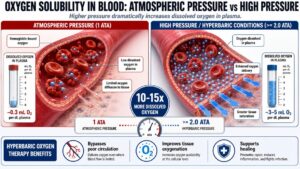
اكتشف الأغراض التي تُستخدم من أجلها غرفة الضغط العالي. تعرف على 7 استخدامات طبية وعلم العلاج بالأكسجين عالي الضغط.
عرض التفاصيل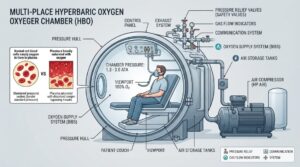
رسم تخطيطي لغرفة الضغط العالي: اكتشف بالضبط كيف تعمل. تعرف على حدود الضغط وتجنب الأخطاء الشائعة في استخدام الغرفة.
عرض التفاصيل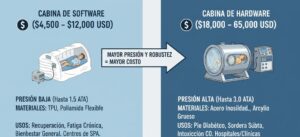
تتأرجح تكلفة الاستثمار بشكل كبير حسب قوة العمل والمواد المستخدمة. وفي السوق الفعلي، فإن قطعة واحدة من طراز "Soft" 1.3ATA - 1.5ATA، مثالية لمراكز الرعاية الصحية والاستخدام المنزلي، لها سعر مناسب.
عرض التفاصيل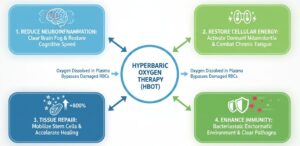
اكتشف فوائد غرفة HBOT للعدوى الفيروسية: إزالة ضباب الدماغ، وتعزيز الطاقة، وتعبئة الخلايا الجذعية للإصلاح العميق.
عرض التفاصيلسيُغلق هذا في 0 ثوانٍ