 Hbot
Hbot


Types Of Hyperbaric Oxygen Chamber
153Learn The Key Differences Between Hard And Soft Hyperbaric Oxygen Chambers To Make The Right Choice.
View details
Search the whole station
When the patient’s tissue cells are in urgent need of high concentrations of oxygen at the cellular level, and conventional blood circulation or breathing oxygen supply can no longer meet the repair needs, hyperbaric oxygen therapy (HBOT) should be on the stage. The most typical examples include chronic wounds (such as diabetic foot ulcers), decompression sickness (commonly known as diving disease), carbon monoxide poisoning, and tissue damage after radiation therapy.
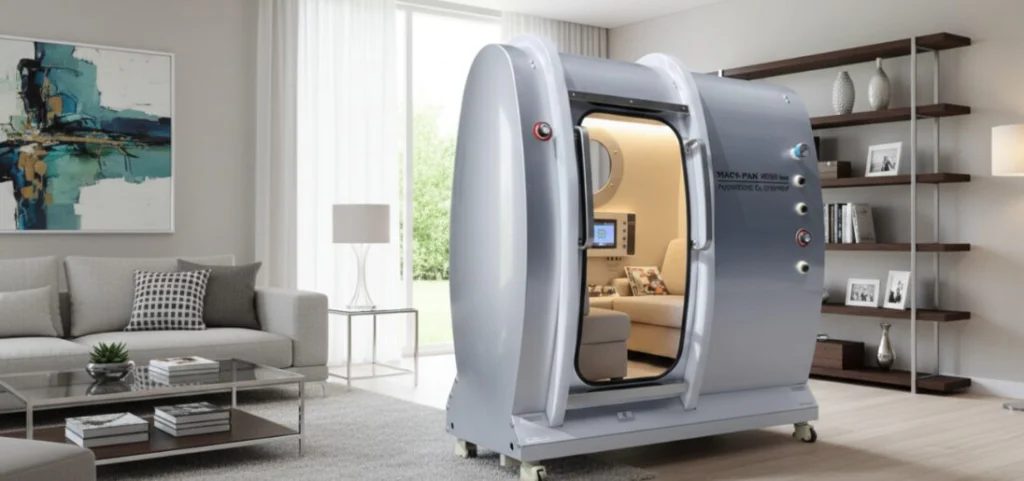
In a normal environment, the oxygen we inhale is mainly transported by hemoglobin in red blood cells, which is like transporting goods by bus, with limited parking spaces and an upper limit on transport capacity. But in the special environment of hyperbaric oxygen chamber, the situation has changed. We will provide 100 percent pure oxygen to the patient and raise the cabin pressure to 2 to 3 times normal atmospheric pressure (ATA). According to the law of gas dissolution in physics, oxygen no longer depends only on red blood cells, but can be directly and physically dissolved in plasma, cerebrospinal fluid and body fluids. This high concentration of dissolved oxygen can be used as “osmosis”, bypassing damaged or blocked blood vessels and perfusing directly into tissues that are on the edge of hypoxia. This physical pressure effect is often beyond the reach of ordinary oxygen inhalation equipment.
To the forefront of nutrition
HE5000
2.0ATA, Medical grade pressure is suitable to home health, Dimensions: 82 x 65 x 72 inch for 1-3 person using.
HE5000-Plus
2.0ATA, Medical grade pressure is suitable to home health, Dimensions: 102 x 65 x 72 inch for 1-4 person using.
Diamond-100
2.0ATA, Medical grade pressure is suitable to assist in the treatment of disease, diameter 39inch for two adults using.
In the medical profession, we usually use hyperbaric oxygen chambers to deal with the following types of complex situations when traditional treatments are inadequate:
For patients suffering from diabetic foot ulcers for a long time, wound healing is extremely slow, and even tissue necrosis occurs. This is because the local microcirculation is too poor. In this case, HBOT is like the catalyst, which can significantly promote angiogenesis and collagen synthesis. Frankly, without the oxygen supply in this high-pressure environment, many patients’ wounds may never heal on their own.
In some life-threatening emergency situations, the hyperbaric oxygen chamber is the last “killer”:
Many cancer patients after receiving radiation, although the tumor disappeared, but the healthy soft tissue or bone may appear delayed damage. This radiation necrosis is tricky, but hyperbaric oxygen can improve local blood supply, reduce inflammation, and prevent further deterioration of the damaged area.
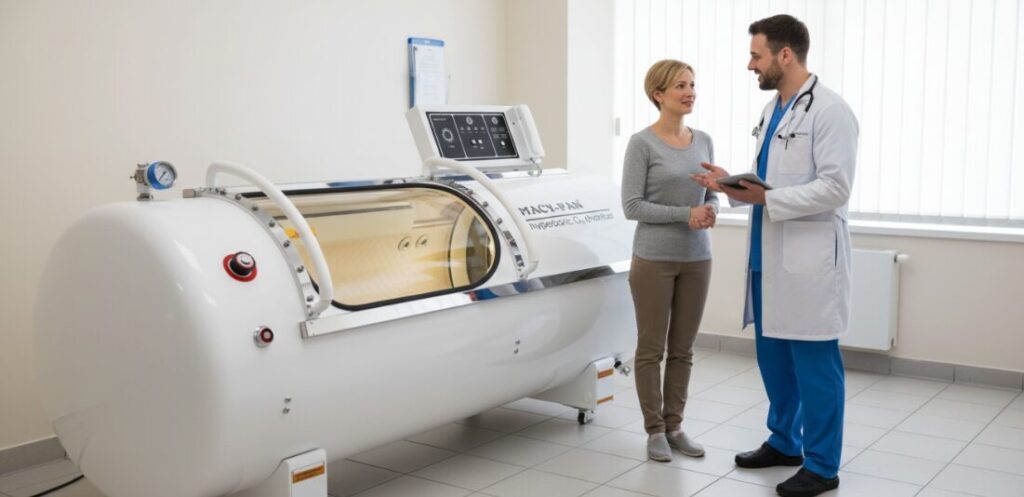
In addition to the common indications mentioned above, we also use oxygen chambers when dealing with some stubborn diseases:
As a responsible doctor, I usually advise patients to consider entering the cabin at the following two key points:
First, when the conventional treatment plan has “hit the wall.” For example, dressing changes, antibiotics or routine vascular surgery have been done, but the wound still shows no signs of improvement, when hyperbaric oxygen can often break the ice.
Second, when an organ or limb needs to be saved urgently. In the face of the risk of tissue decay caused by hypoxia, hyperbaric oxygen intervention must be carried out immediately in order to preserve the function of hands and feet or organs.
Hyperbaric oxygen therapy is like a bridge between modern conventional medicine and the body’s self-healing instinct. Of course, the specific treatment plan must be decided by the multidisciplinary medical team. If you or a family member is experiencing hypoxia-related problems, I strongly recommend that you consult with a professional to see if HBOT is appropriate to add to your treatment list.
Author: Arthur Chen
I am a clinical physician with years of experience on the front lines of specialized medical treatment. Throughout my career, I have focused on bridging the gap between advanced medical technology and the body’s innate self-healing instincts. Having guided countless patients through Hyperbaric Oxygen Therapy (HBOT), I specialize in utilizing high-pressure environments to tackle complex cases—from chronic diabetic wounds to sudden emergency interventions.
Learn The Key Differences Between Hard And Soft Hyperbaric Oxygen Chambers To Make The Right Choice.
View details
Hablando de equipos profesionales de oxigenoterapia hiperbárica (HBOT), la serie HE5000 ha sido muy popular en la industria recientemente. La razón por la que puede resolver las principales preocupaciones de las instituciones a la hora de comprar...
View details
Learn Why Fatigue After HBOT Is A Positive Sign Of Cellular Repair, Detoxification, And Deep Physical Recovery.
View details
Hablando de la cámara de oxígeno individual de carcasa dura, el equipo HP2202 2 ATA pisó con precisión los puntos débiles de la industria. ¿Puede realmente alcanzar la presión clínica 2.0 ATA sin participar en la instalación de ingeniería extrema...
View detailsThis will close in 0 seconds