
 Hbot
Hbot


What Is It Like In A Hyperbaric Chamber
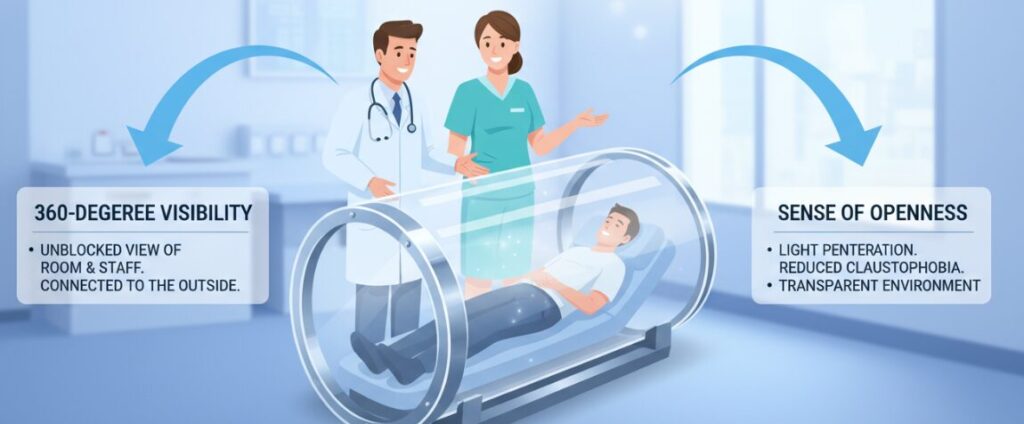
For the vast majority of patients, this experience is passive, calm, and painless, physically comparable to the sensation of an airplane taking off or landing. You will not feel “compressed” or squeezed; your primary physical sensation will be a feeling of fullness in your ears (similar to driving up a mountain) during the first 10 to 15 minutes of pressurization. The chamber itself is typically a clear acrylic tube, not a dark metal tunnel, meaning you have 360-degree visibility and are never truly “closed in.” Once the target pressure is reached, the ear pressure disappears, and you can simply read, watch a movie, or nap while breathing 100% pure oxygen in a temperature-controlled environment.
Why Don’t You Feel “Squeezed”?
One of the most common misconceptions about hyperbaric oxygen therapy (HBOT) is the belief that elevated air pressure makes the body feel physically crushed or burdened. The reality is quite the opposite, and the whole process is both passive and painless. Because the pressure is evenly applied to the body, your skin or chest will not feel the pressure of any external forces. You don’t feel compressed. This feeling of pressure is almost entirely internal, to be exact, confined to your ears.
Dealing With Ear Pressure
The most accurate description of the pressurization phase is to use the analogy of flying. During the first 10 to 15 minutes of treatment, the pressure in the chamber will rise slowly.
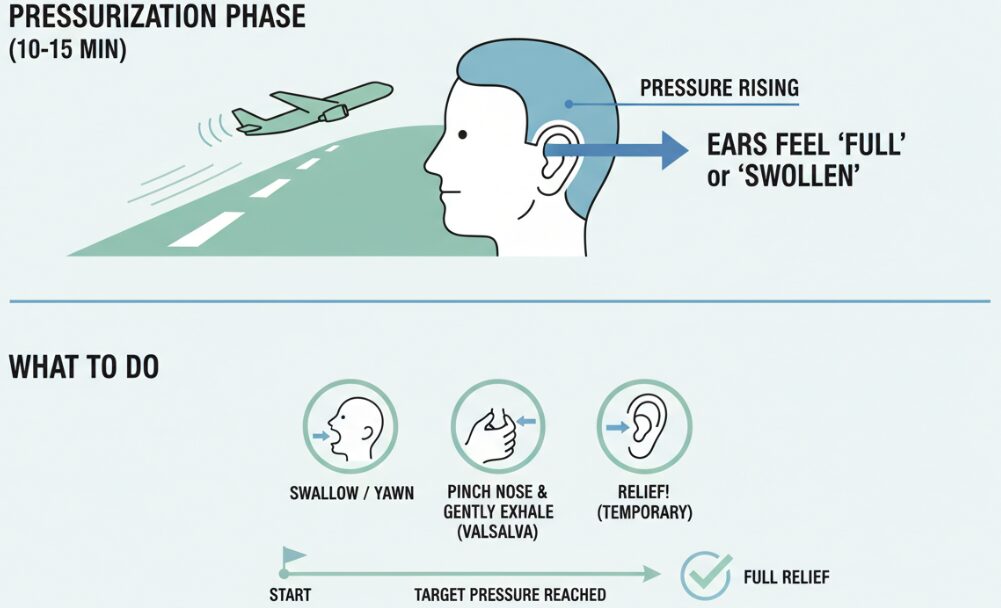
- What’s happening: Just like driving up a high hill or taking off in an airplane, changes in air pressure can cause a “swelling” or filling sensation in the ears.
- What you need to do: The patient only needs to do some ear pressure balancing movements to relieve the feeling. Swallowing, yawning, or gently pinching the nose to drum air (Valsalva maneuver), these are very effective techniques.
- Duration: This feeling is temporary. It only occurs during the initial pressurization phase. Once the predetermined pressure value of treatment is reached, the feeling of swelling will disappear completely.
Visual Environment
Many patients have natural anxiety about claustrophobic spaces, but the design of modern hyperbaric oxygen chambers has actually solved this problem well. Don’t think of it as an MRI (nuclear magnetic resonance) kind of black and noisy metal tunnel, the modern oxygen chamber is designed to give patients peace of mind.
Advantages of Transparent Acrylic
This transparent cabin is a key feature. This transparency is critical to the patient experience for two reasons:
- 360-degree visibility: You can clearly see all directions in the room. You are still in visual contact with the outside world, and you can always see us in your custody.
- Open sense: because the light can penetrate freely, the line of sight is not blocked by the metal wall, the feeling of “being confined” will be greatly reduced. This design ensures that the environment feels transparent rather than claustrophobic.
Real Time to Relax
Once the “dive” (pressure) is over and the ear pressure subsides, the rest of the course is actually very smooth and easy. In aviation terms, it’s like getting to “cruising altitude”. The cabin environment is usually temperature-controlled, ensuring that you are neither too cold nor too hot when inhaling 100 percent pure oxygen. This time is entirely your own, you can choose to have fun or rest.
How Do Patients Usually Spend Their Time?
Because you don’t need to make any physical effort at this stage, the time in the cabin can be used to relax. Common activities include:
- Watch movies or TV: Many facilities will place screens outside the transparent cabin to allow audio access to the cabin so that you can watch your favorite programs.
- Reading: The transparent bulkhead provides plenty of light, and reading is no problem at all.
- Naps: To be honest, the rhythmic white noise of oxygen flow combined with comfortable temperature often causes my patients to enter deep sleep without knowing it.
Author: Alex
“As a dedicated Hyperbaric Safety Director, I have guided thousands of patients through their first ‘dive.’ I specialize in patient education, ensuring you understand exactly what to expect—from the initial ‘airplane’ ear sensation to the comfort of the clear acrylic tube—so your healing journey is as relaxing as possible.”