 ヘボット
ヘボット


カミラ・マク750・ハイパーバリカ・ティーポ
326理想的なハイパーバイザーMC750の選択は、カテーテルの構成と患者の流量に大きく依存します。現在、MC750シリーズは、主に3つの技術的バリエーションに分類されています:1) MC750 Estándar (Fija), ...
詳細を見る
駅全体を検索
The core duration of standard medical-grade hyperbaric oxygen therapy after reaching peak pressure is usually between 60 and 90 minutes. But if you include the initial pressurization and the final depressurization process, the total time you spend in the cabin will actually be around 90 to 120 minutes. For medically rehabilitated and post-operative patients, the standard clinical protocol is usually to breathe 100 percent pure oxygen at a pressure of 1.5 to 2.4 ATA. This specific time window is scientifically optimized to maximize tissue oxygen content, accelerate wound healing and eliminate inflammation without crossing the red line of “oxygen toxicity.” A single run of more than 120 minutes provides little additional medical benefit and significantly increases the risk of CNS complications or barotrauma, which is why professional clinical safety protocols require that it be medically supervised.
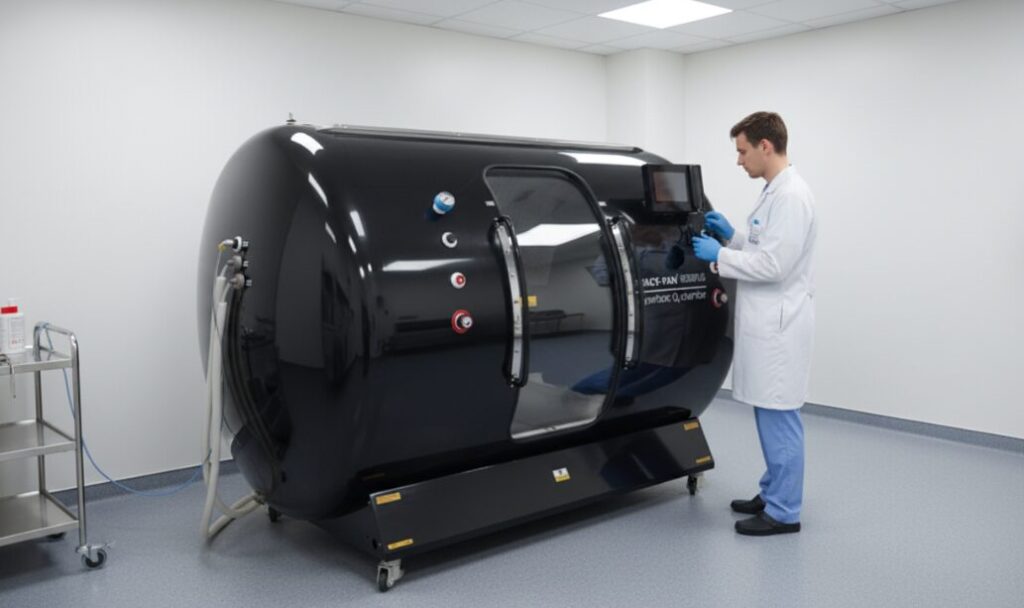
This is the beginning phase. We will gradually increase the pressure in the cabin to a preset treatment level. During these few minutes, I usually observe the patient’s response and remind them to constantly balance the ear pressure by swallowing or pinching the nose to adjust to changes in the environment.
This is the core of the entire treatment. Once the pressure reaches the target value, the timer will officially start. During this time, the pure oxygen you breathe will be physically dissolved in the plasma by high pressure, and the oxygen content can reach 20 times the usual. This length of time is calculated and is just enough for the whole body to reach oxygen saturation.
At the end of the treatment, the pressure must be released slowly. I have to make sure that the pressure reduction process is smooth and that my body gradually adapts to the atmospheric pressure on the surface. If this step is too fast, the lungs and middle ear are easily damaged, so there is absolutely no hurry.
During operation, the dwell time and the amount of pressure are directly linked. For postoperative rehabilitation, we need specific levels of pressure to activate the body’s repair switch:
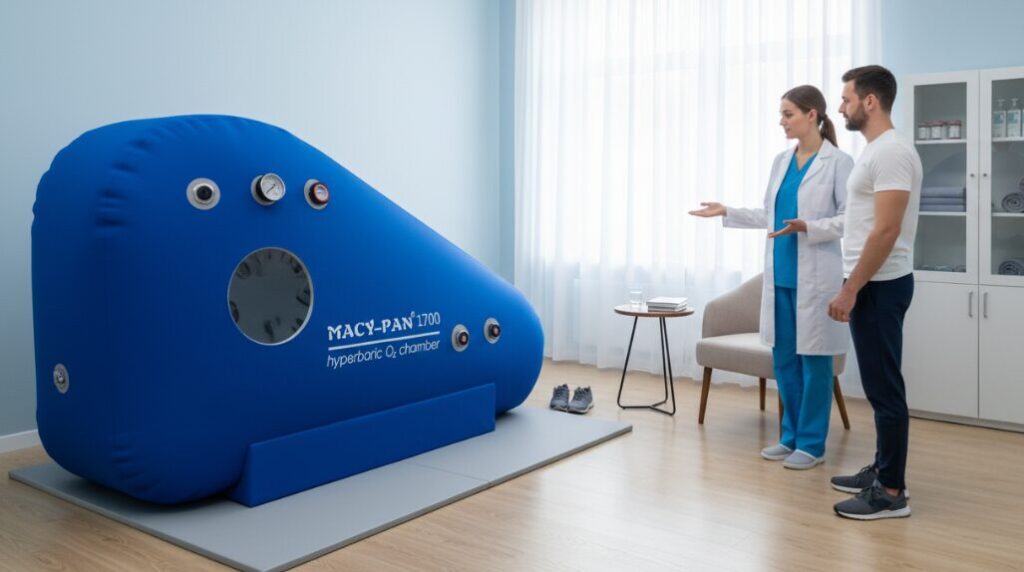
Although hyperbaric oxygen therapy is very safe under professional supervision, extended stay beyond 120 minutes without permission poses significant physiological risks.
Breathing pure oxygen at high pressure for long periods of time can deplete the body’s antioxidant defenses. This first impacts the central nervous system. If you stay too long, you may experience muscle twitching, nausea, and in extreme cases even twitching. We set a strict length of time clinically in order to end treatment before the risk emerges.
The longer you stay, the higher the risk of damage to the ear canal or sinuses due to uneven pressure. In addition, although hyperbaric oxygen is good, it is also kind of “pressure” to the body. A 22-hour interval between treatments is usually recommended to give the body time to use the stem cells and growth factors that have been stimulated.
著者マーク・ヘンダーソン
Throughout my career, I have supervised thousands of clinical ‘dives,’ specializing in hyperbaric oxygen therapy for post-operative recovery and chronic wound healing. My expertise lies in the precise management of atmospheric pressure and oxygen concentration to ensure patient safety while maximizing therapeutic outcomes.
理想的なハイパーバイザーMC750の選択は、カテーテルの構成と患者の流量に大きく依存します。現在、MC750シリーズは、主に3つの技術的バリエーションに分類されています:1) MC750 Estándar (Fija), ...
詳細を見る
Learn How Hyperbaric Chambers Use Henry’S Law To Dissolve Oxygen Into Plasma And Accelerate Cellular Healing.
詳細を見る

HP 2202は、非常にコンパクトなポータブル酸化オキシゲナーです。作動圧を1.3 ATAに設定できますが、これは偶発的な値ではなく、ユーザーが個人的な操作なしに安全にオキシジェノテラピーを行えるようにするためのものです。
詳細を見る