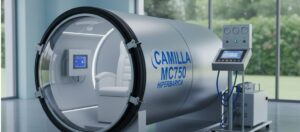
Operating a hyperbaric oxygen chamber at home is actually not complicated. To ensure that you get the desired benefits of hyperbaric oxygen therapy (HBOT) while avoiding the risks, I’ve broken down the entire process into six core steps.
Step 1: Safety Procedures Before Entering The Cabin
Safety is always the most important part of the operation. In the high oxygen environment, some things are absolutely “forbidden”, which has no room for discussion.
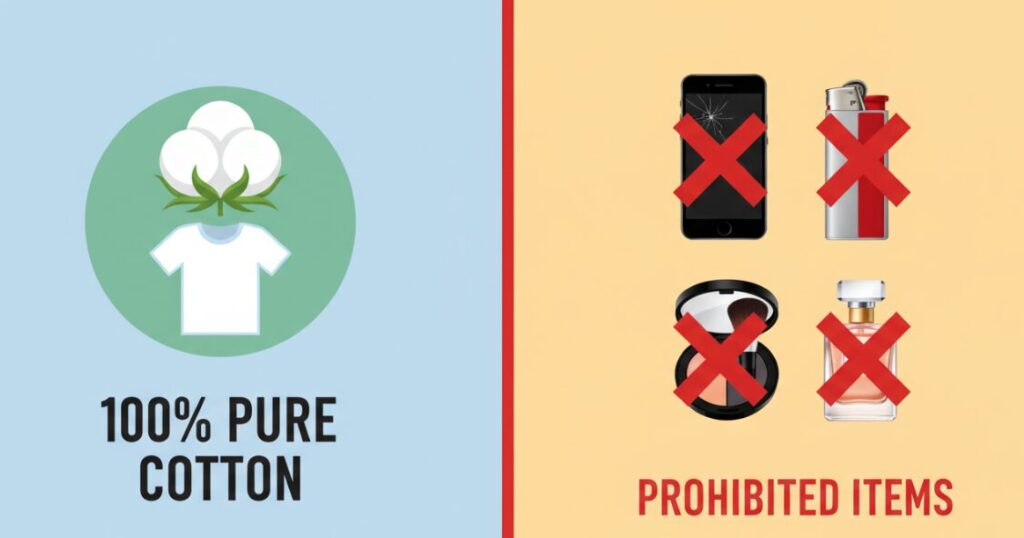
Fabric selection: You must wear only 100 percent cotton. Because chemical fiber materials (like polyester or nylon) are prone to static electricity, and in environments with high oxygen concentrations, electrostatic sparks can lead to catastrophe.
Prohibited items: All electronic devices (mobile phones, tablets, smart watches) must be kept outside the cabin. In addition, matches, lighters, and any oily skin care products or cosmetics are also strictly prohibited. These things are not only a potential source of fire under pressure, but also chemical reactions may occur.
Step 2: System Connection And Comprehensive Inspection
Before starting the formal treatment, a thorough “review” of the mechanical part must be carried out to ensure that the machine is running properly.
Air compressor: carefully check whether the hose has been tightly locked on the air inlet of the cabin, which is the core power source to provide atmospheric pressure.
Oxygen generator: Make sure that the oxygen line is firmly connected to the mask or nasal plug system in the cabin.
Power supply: all power lines must be grounded, and the machine must be placed in a well-ventilated place. Many equipment overheating faults are caused by too narrow placement.
To the forefront of nutrition
HE5000
2.0ATA, Medical grade pressure is suitable to home health, Dimensions: 82 x 65 x 72 inch for 1-3 person using.
The integrity of the cabin seal determines whether the pressure can reach the preset target value smoothly.
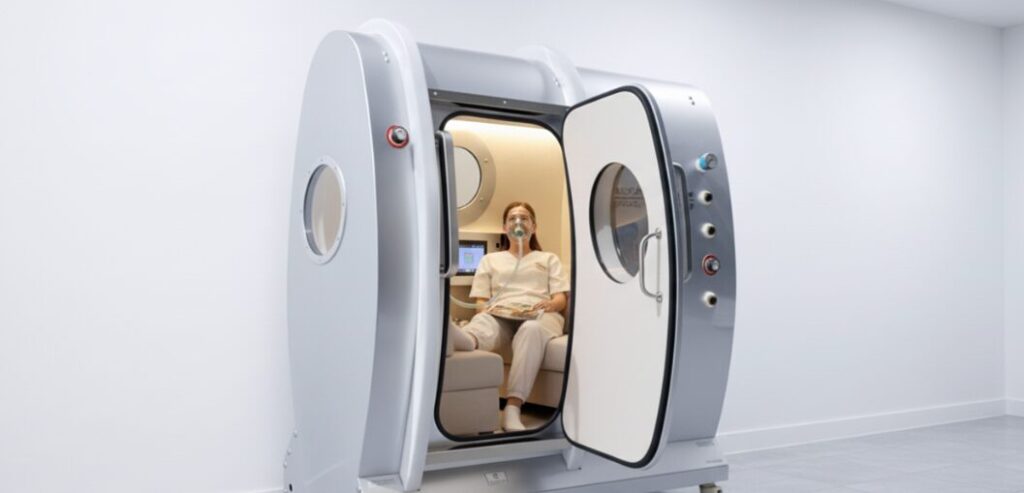
Entering the cabin: move steadily and find the most comfortable position to lie down or sit down after entering the cabin.
Sealing operation: If you are using a soft compartment, repeatedly confirm that the double-layer zipper system has been completely pulled to the end and the sealing flap is flat; If it is a hard shell compartment, lock the compartment door according to the instructions. If the seal is not tight, the pressure in the cabin will not rise, which will increase the load of the compressor in vain.
Step 4: Boost And Ear Pressure Balance
This stage is called the “pressurization period”, and the pressure in the cabin will gradually increase from 1.0 ATA at sea level to your treatment target (usually 1.3 ATA or 1.5 ATA).
Slow charge: Start the compressor. The more moderate the boost, the better the protection of the eardrum.
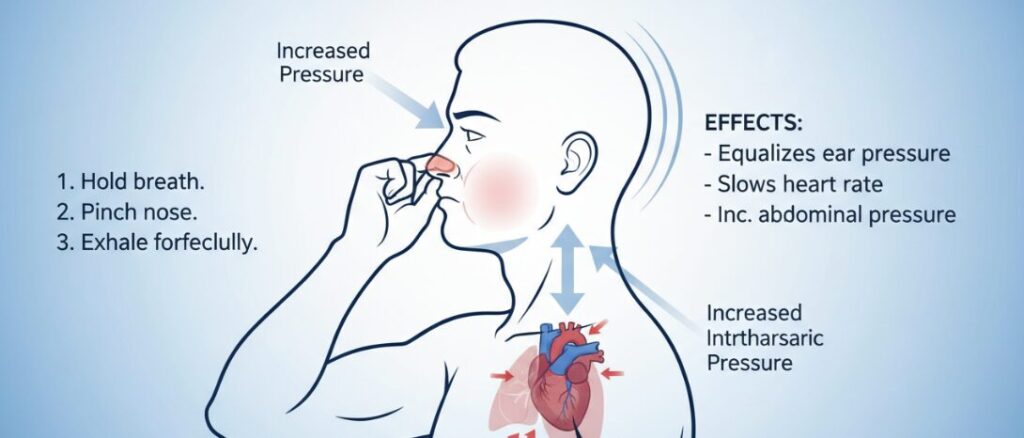
Valsalva movement: As the pressure rises, you will feel your ears stuffy. You must keep doing ear pressure balance-pinch your nose, close your mouth, and gently blow outward. This is what we often call the “nose-pinching method” to balance middle ear pressure and prevent barotrauma.
Monitoring instrument: Keep a close eye on the pressure gauge until it is stable on the calibrated treatment value.
Step 5: Treatment Phase
When the pressure reaches the standard, the real “treatment” officially begins.
Oxygen inhalation: wear a mask or nasal cannula connected to the oxygen concentrator.
Normal breathing: Keep breathing deep and calm, there is no need to deliberately gasp.
Duration and environment: Home treatment is usually recommended between 60 and 90 minutes, depending on the doctor’s advice.
Step 6: Slow Decompression And Exit
The “decompression period” must be handled with caution, and the pressure cannot be suddenly released in order to catch up with the two minutes, otherwise the body will not be able to stand this physiological change.
Operate the exhaust valve: Slowly turn the pressure relief valve. You will hear a “hissing” exhaust sound, which means that the pressure is falling.
Ear pressure adjustment: Your ears may feel “pop open” or “pop” again during decompression. Just swallow or yawn to match this change.
Safety lock: Never force the zipper or hatch open before the pressure is discharged. Be sure to wait until the pressure gauge is completely zero (or consistent with the ambient air pressure outside the cabin) before opening the sealing device to leave the cabin.
The standard operation is not to take the form, but to let you really benefit under the premise of safety.
Author: James Miller
Hi, I have spent years specializing in the setup and management of hyperbaric oxygen therapy (HBOT) systems for home use. Having overseen hundreds of successful operations, I’ve seen firsthand how the smallest oversight can impact both safety and effectiveness.
TheHP1501-85 1.5ATA single thin hyperbaric oxygen chamber does not compromise with living space while maintaining medical-grade efficacy. Unlike bulky commercial cabins that require a dedicated room to fit, this model has a very compact footprint...
La elección del tipo de camilla MC750 hiperbárica ideal depende estrictamente de la configuración de su cámara y el flujo de pacientes. Actualmente, la serie MC750 se clasifica principalmente en tres variantes técnicas: 1) MC750 Estándar (Fija), ...
Access Your Dedicated Oxygen Therapy Consultant Service
To ensure we provide you with the most suitable product specifications and a personalized quotation, please kindly provide your contact details and specific requirements. Our senior consultants will address your inquiries and needs within two hours.
Send Us a Message
Get expert oxygen therapy advice. Please share your contact info and needs for tailored specs and quotes. Our consultants will provide professional solutions within 2 hours.

 Hbot
Hbot